
-
- Products
- Indoor Household Cords
- Appliance Cords
- General Purpose Short-Length Cords
- General Purpose Extension Cords
- Landscape & Decorating Cords
- Bright Color Extension Cords
- Oil-Resistant Extension Cords
- Cold-Flex Extension Cords
- VividFlex Power Cords
- EXTREME All-Weather Cords
- Cord Management
- Task Lights
- Adapters & GFCI Devices
- Where to Buy
- About
- Careers
- Glossary
- Catalog


How to Choose the Right HD Extension Cord?
Choosing the right hd extension cord is not simply about finding the thickest cable on the shelf. It is about matching the cord to the tool, distance, environment, and electrical load. A workshop saw may require a different cord than a patio light or portable heater. Small details matter.
Mike Holt, a respected electrical educator, has repeatedly warned that “electricity does not forgive shortcuts.” That idea guides this article. Check the cord’s wire gauge, amp rating, voltage rating, grounding, and certification marks before plugging in equipment. A 12/3 cord may support demanding tools better than a thinner 16/3 cord, but the correct choice depends on the appliance and circuit. Never rely on appearance alone.
Look closely at the jacket. It should remain flexible, without cuts, flattened sections, exposed wires, or melted areas. Outdoor work also requires a jacket rated for moisture, sunlight, and rough handling. A longer cord feels convenient, but extra length can increase voltage drop and create a tripping hazard. Keep connections away from puddles. Keep the cord visible.
There is no perfect cord for every job. I may prefer a heavier model for durability, yet it can be awkward in a small room. That trade-off deserves honest attention. This guide explains how to compare hd extension cord specifications, recognize misleading labels, and select a dependable option for safer everyday use.
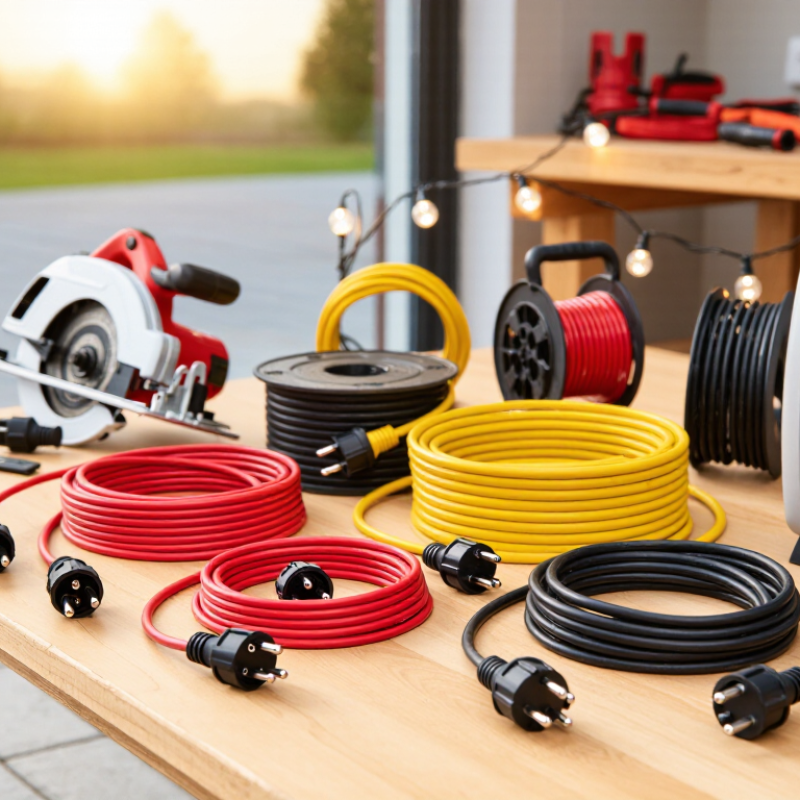
Table of Contents
[Hide]
Define the Load: Voltage, Wattage, Duty Cycle, and Work Environment
How to Choose the Right HD Extension Cord?
Choosing the right HD extension cord starts with the load, not the cord’s appearance. Check the tool’s voltage and rated wattage on its label. A 120-volt saw rated at 1,500 watts can draw about 12.5 amps before startup demand. Motors often pull more current briefly. That detail is easy to miss. Select a cord whose amp rating meets or exceeds the tool’s requirement. Never treat a thicker jacket as proof of higher capacity. Gauge, length, and construction all matter.
Duty cycle changes the decision. A drill used for ten seconds needs different thermal planning than a heater running for six hours. Continuous loads can warm a cord, especially when it lies coiled beneath dust or insulation. Uncoil it fully. Inspect plugs, blades, and the jacket before each shift. In damp areas, outdoors, or near sharp concrete edges, choose a cord rated for that environment. Keep connections off wet ground. A grounded cord is not a substitute for ground-fault protection.
Tips: Measure the actual run, then add modest working distance. Long cords create voltage drop, which can make motors run hot. If the cord feels unusually warm, stop and investigate. I have seen users blame a weak tool when the real problem was an undersized, overly long cord. When ratings remain unclear, ask a qualified electrician and follow local electrical rules.
Related Posts
-
Best 10 Short Extension Cord Options for Every Need?
-
What Is an Indoor Extension Cord and How to Choose One?
-

How to Choose the Right Extension Cord Wire for Your Needs?
-
2026 Best Short Extension Cord for Every Need and Application?
-
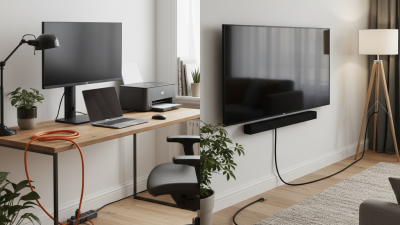
Top 10 Benefits of Using HD Extension Cord for Your Home and Office?
-
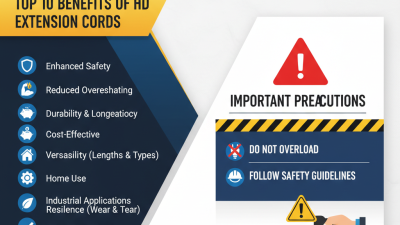
Top 10 Benefits of Using HD Extension Cords for Your Power Needs?