
-
- Products
- Indoor Household Cords
- Appliance Cords
- General Purpose Short-Length Cords
- General Purpose Extension Cords
- Landscape & Decorating Cords
- Bright Color Extension Cords
- Oil-Resistant Extension Cords
- Cold-Flex Extension Cords
- VividFlex Power Cords
- EXTREME All-Weather Cords
- Cord Management
- Task Lights
- Adapters & GFCI Devices
- Where to Buy
- About
- Careers
- Glossary
- Catalog


Why Are Smart Storage Solutions Essential for Global Buyers?
Global buyers now expect storage to do more than hold products. It must protect inventory, improve visibility, and support faster decisions across borders. Smart Storage Solutions combine sensors, software, modular shelving, and accurate inventory data. These tools can reduce picking errors and reveal unused warehouse space. A buyer in Germany may need live stock updates from a facility in Vietnam. A retailer in Canada may require temperature alerts for sensitive goods. Reliable information connects these operations.
Practical experience shows that technology alone does not solve storage problems. Staff training, clear procedures, and regular maintenance remain essential. A barcode scanner may fail during a network outage. A sensor may also produce confusing readings if calibration is ignored. No system is perfect. This matters when buyers compare suppliers, costs, and service promises. They should examine data security, product durability, installation support, and regional compliance before choosing equipment. Transparent vendors explain limitations instead of making exaggerated claims.
Well-designed storage can also improve sustainability. Adjustable racks may extend facility use and reduce unnecessary replacements. Better stock rotation can limit damaged or expired goods. However, energy use from automated equipment deserves careful review. Lower labor costs do not always mean lower environmental impact. Global procurement teams need evidence, not attractive slogans. Supplier certifications, customer references, trial projects, and documented performance can strengthen trust. When Storage Solutions match real workflows, they create measurable value. They make warehouses more responsive, resilient, and easier to manage. That is the practical reason they matter to international buyers.
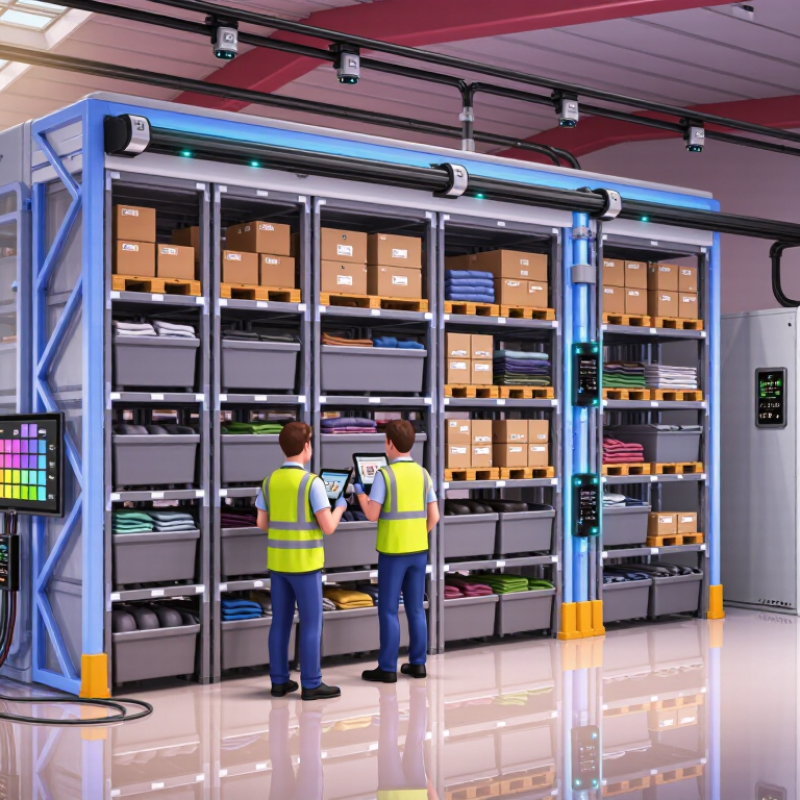
Table of Contents [Hide]
Global Demand Drivers: E-Commerce Sales Surpassed $5.8 Trillion in 2023
Global e-commerce sales surpassed $5.8 trillion in 2023, according to widely cited market estimates. This growth has changed how businesses manage inventory, packing, and returns. A small storage error can now delay hundreds of orders. Customers expect accurate delivery, even during seasonal peaks. Smart storage solutions help buyers use limited space more effectively. They combine adjustable shelving, labeled locations, and inventory data. The goal is practical control, not impressive technology alone.
In a busy fulfillment room, a worker may search for one small item among thousands. A clear location code can save several minutes per order. Automated tracking can also identify low stock before a popular product disappears. However, systems must fit real workflows. Complicated interfaces create new mistakes. Reliable suppliers should provide capacity data, installation guidance, maintenance terms, and clear safety documentation. Buyers should also check load ratings and local workplace requirements.
The $5.8 trillion figure signals opportunity, but it also exposes weak storage planning. Fast sales can produce crowded aisles, damaged packaging, and inaccurate counts. These problems are easy to underestimate. A sensible evaluation starts with order volume, product size, picking frequency, and expansion plans. Pilot testing is useful. Not every smart feature earns its cost. Sometimes, better labels and stronger shelves deliver more value than advanced automation. That deserves honest review.