
-
- Products
- Indoor Household Cords
- Appliance Cords
- General Purpose Short-Length Cords
- General Purpose Extension Cords
- Landscape & Decorating Cords
- Bright Color Extension Cords
- Oil-Resistant Extension Cords
- Cold-Flex Extension Cords
- VividFlex Power Cords
- EXTREME All-Weather Cords
- Cord Management
- Task Lights
- Adapters & GFCI Devices
- Where to Buy
- About
- Careers
- Glossary
- Catalog


What Are the 2026 Top Polypropylene Pipe Types?
In 2026, polypropylene piping continues to attract attention in residential, commercial, and industrial projects. Its low weight, corrosion resistance, and heat-welded joints make it practical for many installations. Yet one type rarely fits every system. Temperature, pressure, fluid chemistry, installation space, and maintenance plans all influence the right choice.
This guide examines the leading Polypropylene Pipe types expected to remain important in 2026, including PP-R, PP-RCT, PP-H, and PP-B. Each material has different strengths. PP-R often supports hot and cold water networks, while PP-RCT can offer improved pressure performance at elevated temperatures. PP-H is commonly considered for chemical handling and industrial drainage. PP-B may suit specific low-temperature or drainage applications. These are useful patterns, not universal rules.
Real installation experience also matters. A clean fusion joint should show an even bead, without burned material or visible gaps. Poor alignment can create trouble long after the pipe is buried. Manufacturer data, recognized testing standards, and local project requirements should guide final selection. Product labels alone are not enough. Engineers and installers should check pressure ratings, wall thickness, thermal expansion, joining procedures, and service temperatures.
No ranking is perfect. Market preferences differ by region, supplier quality, and project budget. Some newer products may look promising but lack long-term field evidence. This overview therefore compares practical performance with documented technical information, helping readers make a more careful and defensible decision.
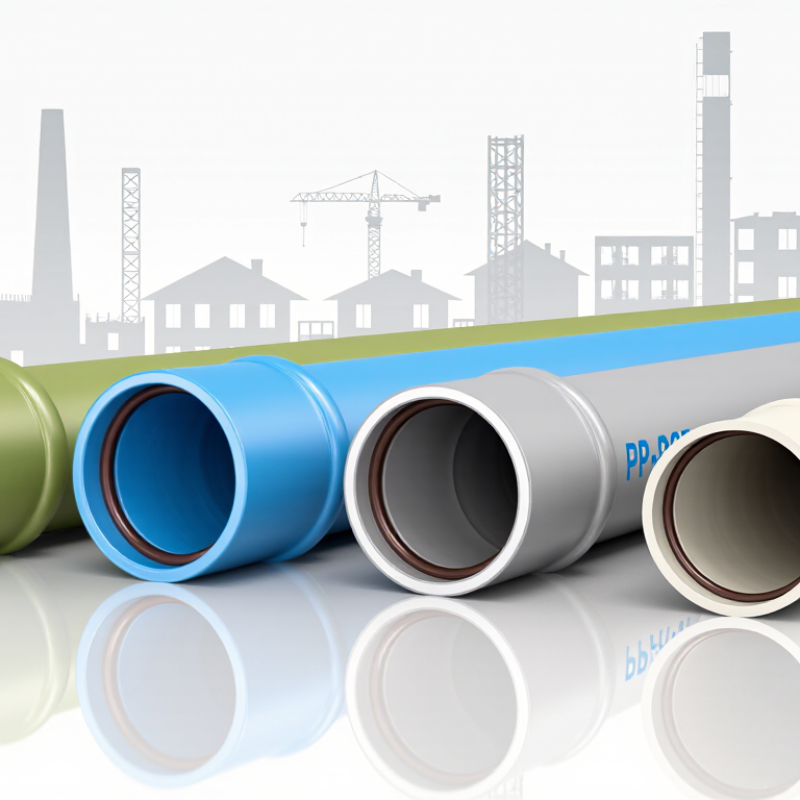
Table of Contents [Hide]
2026 PP Pipe Landscape: Polymer Grades, Standards, Pressure, and Use
What Are the 2026 Top Polypropylene Pipe Types?
The 2026 PP pipe landscape is shaped by polymer grade, pressure rating, and installation conditions. PP-R remains common in hot and cold water systems. It offers smooth internal surfaces and reliable heat resistance. PP-RCT extends performance at elevated temperatures through improved crystallinity. It can support thinner walls, but only when design calculations allow it. PP-H is often selected for chemical process lines, industrial drainage, and demanding fluid service.
Standards make these choices measurable. ISO 15874 covers polypropylene piping systems for hot and cold water installations. Other projects may follow regional pressure, fire, potable-water, or chemical-resistance requirements. Always check the applicable edition and local code. A pipe marked with a nominal pressure value does not guarantee that rating at every temperature. Temperature reduces allowable pressure. Wall thickness, SDR, joint quality, and operating cycles matter too.
Use should guide selection. A residential riser may need PP-R with thermal expansion control. A factory line may require PP-H after reviewing chemical concentration and temperature. PP-RCT can reduce material use, though thinner walls demand careful handling. I have seen specifications focus heavily on pressure and overlook support spacing. That is a costly gap. Fusion joints also need clean surfaces, correct heating time, and trained installers. The process sounds simple. It is not always forgiving.