
-
- Products
- Indoor Household Cords
- Appliance Cords
- General Purpose Short-Length Cords
- General Purpose Extension Cords
- Landscape & Decorating Cords
- Bright Color Extension Cords
- Oil-Resistant Extension Cords
- Cold-Flex Extension Cords
- VividFlex Power Cords
- EXTREME All-Weather Cords
- Cord Management
- Task Lights
- Adapters & GFCI Devices
- Where to Buy
- About
- Careers
- Glossary
- Catalog


Top 10 Specialty Battery Suppliers for Global Buyers
Choosing the right supplier matters when battery performance affects medical devices, industrial sensors, robotics, or remote equipment. This guide introduces the Top 10 Specialty Battery Suppliers for Global Buyers, with attention to engineering capability, production consistency, and international service. These companies may offer lithium-ion, lithium primary, rechargeable systems, custom battery packs, and other Specialty Batteries for demanding applications.
The selection considers practical factors that purchasing teams often examine: cell quality, pack design, safety testing, traceability, certifications, minimum order quantities, and delivery support. A supplier may provide excellent prototypes but struggle with high-volume production. Another may offer strong manufacturing capacity but limited customization. That difference matters. Buyers should request test reports, datasheets, sample units, and clear warranty terms before signing a contract. Small details, such as connector placement or cold-weather capacity, can affect field performance.
This list is a research starting point, not a universal ranking. Supplier capabilities change, and published information can become outdated. Verify current certifications and regional compliance requirements directly with each company. Experienced buyers also compare cycle-life data under realistic loads, rather than relying only on headline specifications. Real conditions are rarely perfect. A battery tested at room temperature may perform differently inside a sealed enclosure or during repeated vibration.
Reliable sourcing requires technical questions, documented communication, and careful sample evaluation. The strongest supplier is not always the largest. It is the one that can consistently match the application, timeline, and risk profile.
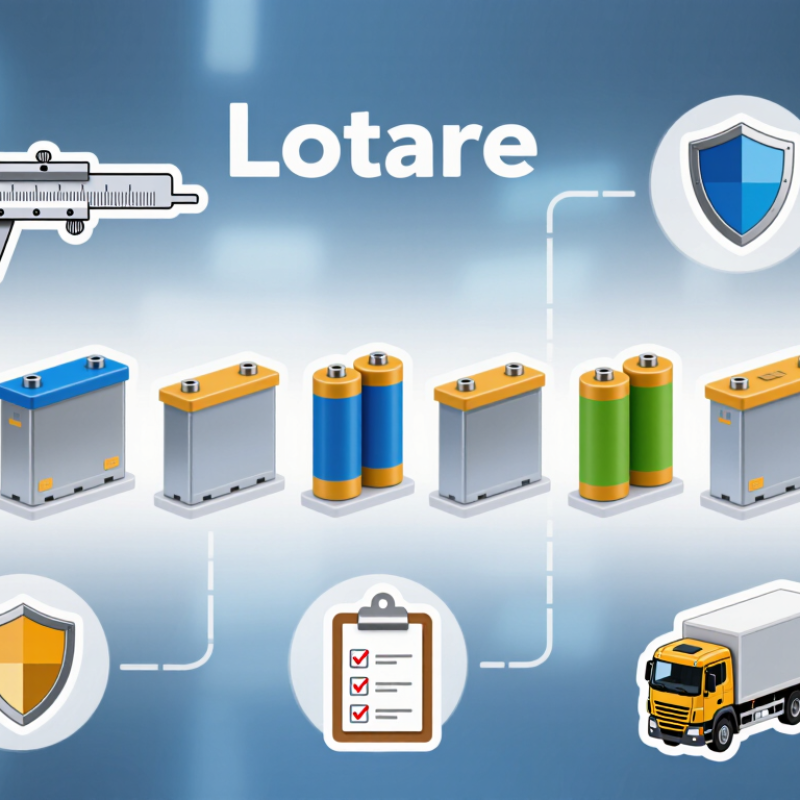
Table of Contents [Hide]
Specialty Batteries: Definition, Features, and Key Market Applications
Specialty batteries are engineered for tasks that standard cells cannot handle efficiently. They may use unusual chemistries, compact shapes, extended shelf life, or carefully controlled discharge rates. A medical sensor, for example, might need a small cell that delivers stable power for months. An industrial monitor may require reliable operation in dust, vibration, or wide temperature ranges. The battery is not merely a power source. It is part of the device design.
Key features include high energy density, low self-discharge, dependable pulse performance, and customized terminals or casings. Rechargeable models are evaluated through cycle testing, thermal checks, and capacity retention. Primary cells often receive closer attention for storage life and leak resistance. Serious suppliers should provide test records, material traceability, transport documentation, and quality controls aligned with recognized international standards. Specifications matter.
Global buyers comparing specialty battery suppliers should examine engineering support, sample testing, production consistency, and communication speed. A supplier that offers only a catalog may not understand the final application. Ask how cells perform after storage, vibration, or repeated temperature changes. Small details matter.
No specification is complete.
A practical concern is often missed: laboratory results may not reflect field conditions. A battery could pass a capacity test yet fail inside a cold, tightly sealed device. Buyers should validate prototypes under realistic loads before approving volume production. The process may feel slower, but it exposes weaknesses early and protects equipment reliability.