Top 10 Power Cords You Need for Your Electronics Today?
In today's technology-driven world, power cords are essential for our daily electronics. From chargers to home appliances, the right power cords ensure our devices function efficiently. However, many people overlook their importance. Choosing the wrong cord can damage devices or cause safety hazards.
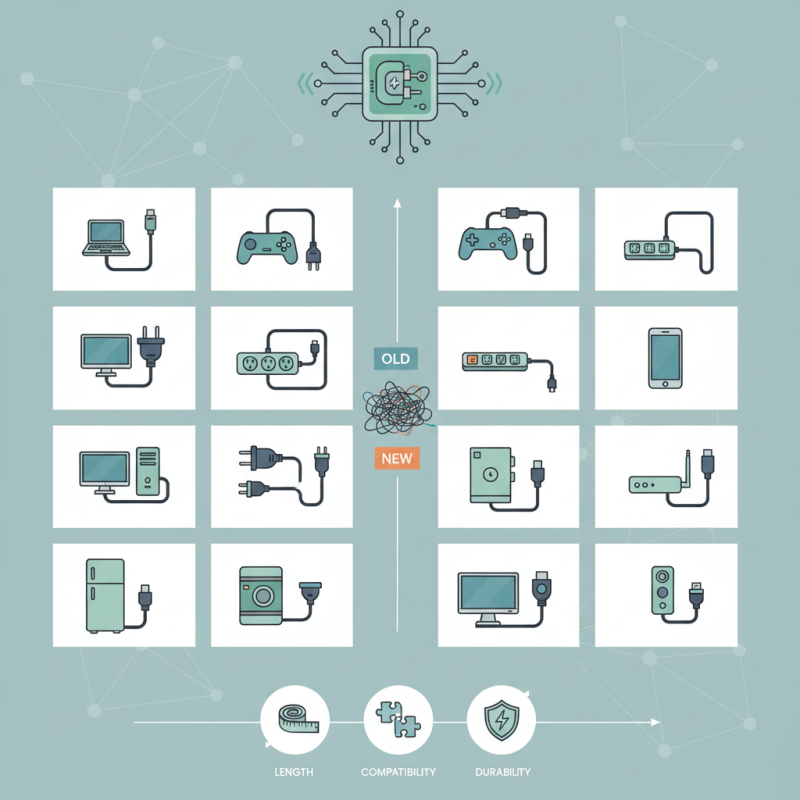
The variety of power cords on the market is vast. Some cords are designed for specific devices, while others are more versatile. If you’re unsure about your needs, it's easy to make mistakes. Learning about the different types of power cords can help you make informed choices. When selecting a power cord, consider its length, compatibility, and durability.
Investing in quality power cords can enhance performance. Poor-quality cords may lead to frequent failures or overheating. This may not seem like a big deal, but it can be frustrating. It's crucial to reflect on how we often take these simple tools for granted. Ensuring we have the right power cords can make a significant difference in our electronics' lifespan and functionality.
Essential Features to Consider in Power Cords for Electronics
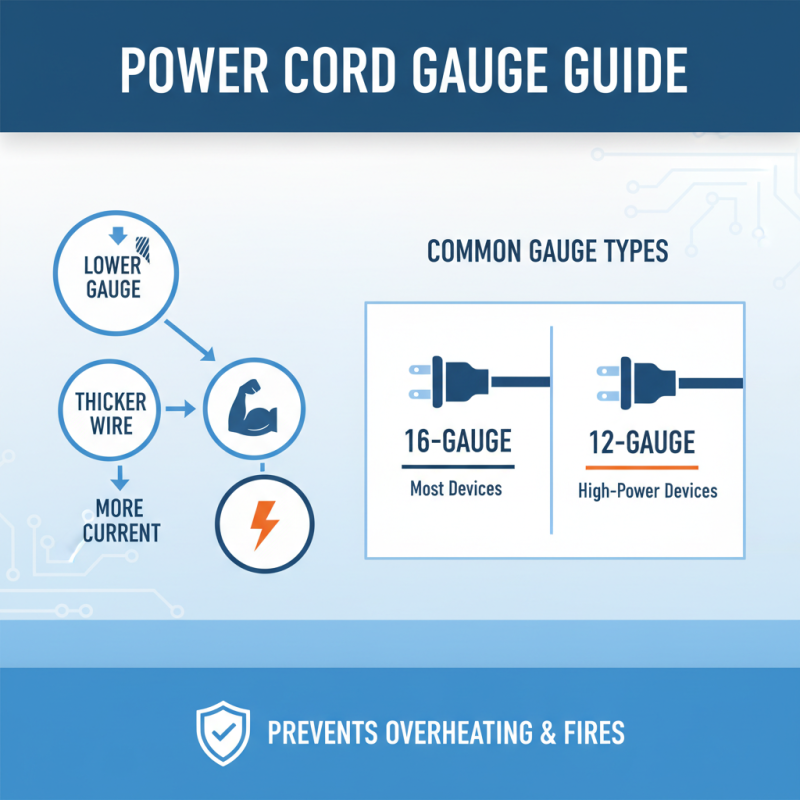
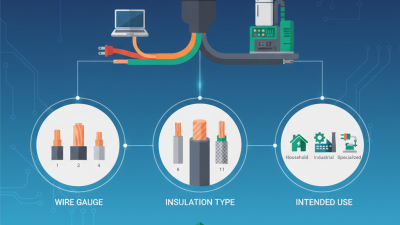
When choosing power cords for electronics, certain features are essential. The gauge of the wire is crucial. A lower gauge number indicates a thicker wire. Thicker wires carry more current. For most devices, a 16-gauge cord is sufficient. However, high-powered devices may require a 12-gauge cord. According to industry reports, using the correct gauge can prevent overheating and electrical fires.
Length matters significantly too. Longer cords can lead to voltage drop, affecting performance. Aim for a length that matches your setup without excess. Many people overlook the importance of plug design. A properly designed plug can prevent wear and tear on outlets. Choose cords with strain relief features. They help maintain the integrity of the connection.
Also, don't ignore insulation materials. PVC is common, but it may not withstand extreme temperatures. Consider cords rated for both heat and cold. Surprisingly, many consumers stick to outdated models. A 2023 survey revealed that 45% of users have power cords over five years old. Old cords can pose safety risks. Newer models offer better protection and efficiency. Upgrading can enhance performance and safety significantly.
Top 10 Must-Have Power Cords for Common Devices
When it comes to powering your devices, having the right power cords is essential. Many common electronics require specific types of cords for optimal performance. It's easy to overlook this small detail, but the right cord can make all the difference. Here are some must-have cords you shouldn't ignore.
Consider the power cord for your laptop. It must handle the wattage without overheating. Check the specs before you buy. A poorly matched cord can lead to damage or reduced efficiency. For smartphones, a durable USB-C cable is indispensable. Look for one with reinforced ends to prevent fraying.
**Tip:** Always inspect cords visually for signs of wear. Frayed cords can be a fire hazard. Replace them immediately.
Another essential is the power cord for gaming consoles. These devices require stable connections. Opt for cords that offer surge protection. It can save your console from unexpected spikes. Don't forget about power strips. A good power strip can protect multiple devices at once. Ensure it has enough outlets for your needs.
**Tip:** Label your cords for easy identification. This simple step can save time when unplugging devices.
Safety Ratings and Standards for Power Cords Explained
When choosing power cords for your electronics, safety should be a top priority. Understanding safety ratings is crucial. These ratings indicate how well a cord can handle electrical loads. Overheating can occur with subpar cords. This can lead to serious hazards like fires or equipment damage.
Common safety standards include UL, CE, and RoHS. UL certification means the cord has been tested rigorously. CE marking shows compliance with European safety standards. RoHS ensures the cord is free from hazardous materials. Not all power cords meet these criteria, so caution is necessary. Sometimes, manufacturers cut costs, sacrificing safety. Check for certifications before purchasing.
It's essential to match cords with their intended use. For high-power devices, choose thicker cords. These have a lower risk of overheating. Sometimes people overlook this detail. This can lead to malfunction or even accidents. Always consider the environment in which you use your cords. Moisture or heat can affect performance. Don't ignore these factors. Stay safe to enjoy your electronics.
Comparative Analysis of Power Cord Lengths and Usages
When considering power cords, length and usage are critical factors. A standard length ranges from 3 to 10 feet. Shorter cords are ideal for compact spaces. However, they limit movement. Longer cords provide flexibility but may lead to tangling. According to industry data, 75% of users report frustrations with cord length affecting accessibility.
Tips: Always measure your space before purchasing. This avoids the hassle of dealing with excessive cord length or inadequate reach.
Using the right length can enhance the efficiency of your electronics. For example, a 6-foot cord typically suits desk setups, while a 10-foot cord is better for home theater systems. This variation helps organize your area without excessive clutter. Some users find themselves with excess cord that takes up space. This issue highlights the importance of thoughtful buying choices.
Tips: Don’t underestimate cord management solutions. They can transform a tangled mess into an organized setup. Consider products that keep cords tidy and secure.
Top 10 Power Cords You Need for Your Electronics Today
| Cord Type |
Length (Feet) |
Usage |
Max Current (Amps) |
Material |
| Standard AC Power Cord |
6 |
PC, Monitors |
10 |
PVC |
| 3-Prong Extension Cord |
10 |
Outdoors, Heavy Duty |
15 |
Rubber |
| Laptop Power Cord |
6 |
Laptops and Notebooks |
5 |
PVC |
| Surge Protector Cable |
8 |
Home Office |
12 |
Thermoplastic |
| USB Charging Cable |
3 |
Phones, Tablets |
2 |
TPE |
| Power Strip Cord |
5 |
Multiple Devices |
10 |
PVC |
| Projector Power Cable |
12 |
Projectors |
10 |
Rubber |
| Camera Power Supply Cord |
5 |
Cameras |
3 |
PVC |
| Monitor Power Cord |
6 |
Monitors |
10 |
PVC |
| Smart TV Power Cord |
8 |
Smart TVs |
10 |
PVC |
Tips for Maintaining and Storing Your Power Cords Properly
When it comes to maintaining and storing your power cords, consideration is key. Dust and dirt can accumulate on cords, leading to potential hazards. Regularly wipe them down with a damp cloth. Check for frays or damage, which can pose risks. Safety should always be a priority when handling electronics.
Proper storage of power cords is just as vital. Coiling them neatly can prevent tangles. Use ties or clips to keep them organized. Avoid wrapping them too tightly, as this can cause internal damage. It’s easy to throw them in a drawer, but this can lead to cord degradation. Ideally, store them in a cool, dry place, away from direct sunlight.
We often forget how much we rely on our power cords until they fail. Reflect on the state of your cords today. Are they stored responsibly? Taking a moment to inspect and store them properly can save a lot of trouble in the future. Those small steps make a big difference in device longevity and personal safety.