
-
- Products
- Indoor Household Cords
- Appliance Cords
- General Purpose Short-Length Cords
- General Purpose Extension Cords
- Landscape & Decorating Cords
- Bright Color Extension Cords
- Oil-Resistant Extension Cords
- Cold-Flex Extension Cords
- VividFlex Power Cords
- EXTREME All-Weather Cords
- Cord Management
- Task Lights
- Adapters & GFCI Devices
- Where to Buy
- About
- Careers
- Glossary
- Catalog


What Are the 2026 Top Aluminum Window Types?
Choosing the best aluminum window in 2026 requires more than following a popular style. Climate, building orientation, glass selection, and daily use all influence performance. A slimline sliding window may suit a modern apartment, while a thermally broken casement window can provide stronger insulation in colder regions. The right choice depends on practical conditions.
This guide examines the leading aluminum window types expected to shape residential and commercial projects in 2026. It covers casement, sliding, awning, tilt-and-turn, fixed, and folding systems. Each option offers different benefits for ventilation, daylight, security, maintenance, and architectural design. Small details matter. A poorly sealed corner can reduce comfort, even when the frame looks impressive.
Performance should be judged through verified specifications, not attractive photographs. Look for thermal-break construction, suitable glazing, reliable hardware, tested air tightness, and corrosion-resistant finishes. Local weather exposure also deserves attention. Coastal buildings may need stronger surface protection, while hot climates require careful solar-control glass selection.
No ranking is perfect. A premium system may still disappoint when installed poorly. This article therefore compares real-world strengths and limitations, rather than presenting one universal winner. Readers can use these insights to question supplier claims, review project requirements, and select an aluminum window system with greater confidence. The final decision should balance appearance, long-term durability, energy performance, budget, and professional installation quality.
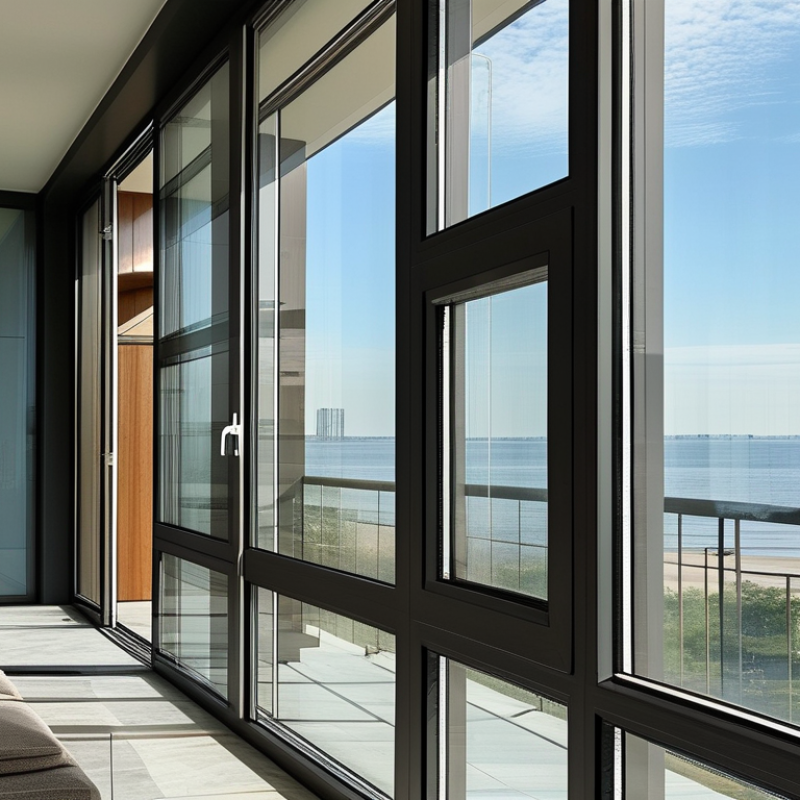
Table of Contents [Hide]
Main Aluminum Window Categories in 2026
In 2026, aluminum windows are commonly grouped by opening method, frame design, and thermal performance. Sliding windows move horizontally, making them practical for balconies, bedrooms, and narrow exterior spaces. They need less clearance than hinged units. Casement windows open outward with side hinges, providing strong ventilation and a tighter seal when closed. Awning windows are top-hinged and can remain partly open during light rain. They suit bathrooms, kitchens, and humid coastal rooms.
Fixed windows do not open, but they deliver clear views and excellent daylight. They often pair with operable units in living rooms or stairwells. Folding windows use several connected panels and can create a wide opening for patios. Tilt-and-turn windows offer two positions: inward tilting for ventilation or full opening for cleaning. The mechanism is useful, but it requires accurate installation. Small errors become obvious.
Frame depth and thermal breaks matter more than appearance alone. A thermally broken aluminum frame can reduce heat transfer across the metal. Low-emissivity glazing and insulated spacers improve interior comfort further. From site experience, water drainage is frequently overlooked around sliding tracks. That detail can cause trouble after heavy rain. Window selection should consider climate, wall exposure, cleaning access, and local building requirements. No category wins every project. A large fixed panel may look impressive, yet it can increase solar heat and cleaning effort. Check tested air, water, and wind performance before ordering.