
-
- Products
- Indoor Household Cords
- Appliance Cords
- General Purpose Short-Length Cords
- General Purpose Extension Cords
- Landscape & Decorating Cords
- Bright Color Extension Cords
- Oil-Resistant Extension Cords
- Cold-Flex Extension Cords
- VividFlex Power Cords
- EXTREME All-Weather Cords
- Cord Management
- Task Lights
- Adapters & GFCI Devices
- Where to Buy
- About
- Careers
- Glossary
- Catalog


What Is a Solar Street Light and How Does It Work?
Solar street lights are independent outdoor lighting systems powered by sunlight. They illuminate roads, paths, parking areas, and public spaces without continuous grid electricity. A typical unit includes a solar panel, rechargeable battery, LED lamp, controller, pole, and mounting hardware. Each part influences the system’s reliability.
During daylight, the panel converts sunlight into electrical energy. The controller manages charging and helps protect the battery. After sunset, a sensor or timer activates the LED fixture. The stored energy then powers the light through the night. Simple in theory.
Practical installations reveal more complications. Cloud cover can reduce daily charging. Incorrect panel angles may limit energy collection. Dust, shade, and battery aging also affect performance. In some locations, winter nights exceed the battery’s practical capacity. That weakness matters. The phrase Solar Light Street Light may describe similar equipment, but terminology varies between suppliers and regions. Reliable evaluation requires more than checking brightness or advertised wattage. It should consider sunlight levels, battery capacity, LED efficiency, installation height, maintenance access, and local weather. This guide explains how solar street lights work and why each component matters. It also examines realistic benefits, common limitations, and selection factors. No system performs perfectly everywhere. A well-designed installation balances lighting needs with available solar energy. That balance requires careful planning. By connecting technical principles with field-based considerations, readers can judge whether a solar lighting system suits a specific site.
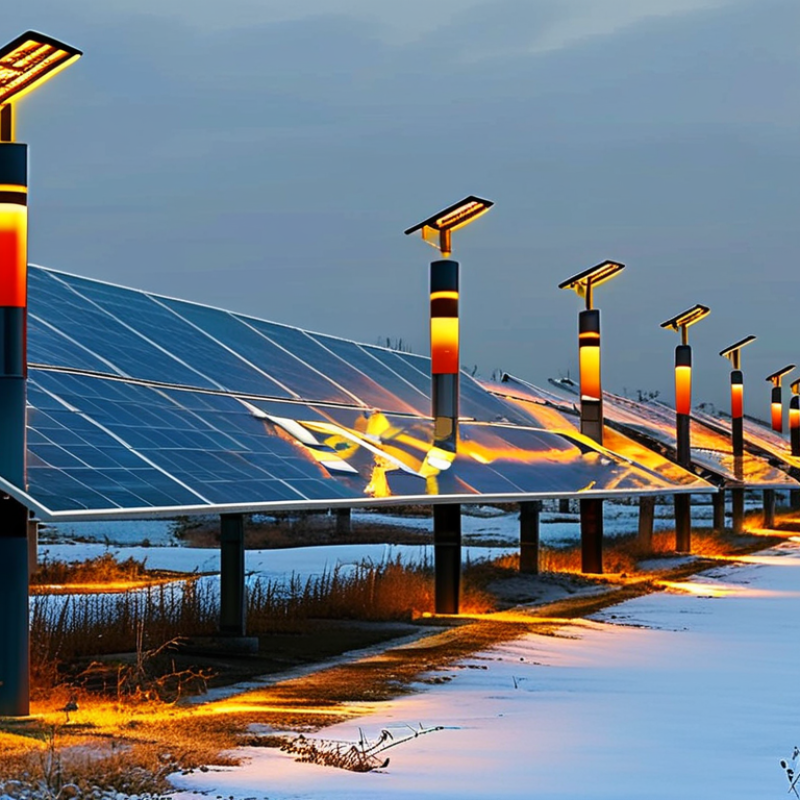
Table of Contents [Hide]
What Is a Solar Street Light?
A solar street light is an outdoor lighting system powered by sunlight, not a conventional electric grid. It normally combines a photovoltaic panel, LED lamp, rechargeable battery, controller, and mounting pole. During daylight, the panel converts sunlight into electricity. The controller stores that energy in the battery. After sunset, the lamp switches on automatically, often through a light sensor.
Its value is practical. A solar street light can illuminate roads, paths, parking areas, and remote communities without trenching underground cables. The World Bank’s Global Electrification Database reported that about 685 million people lacked electricity access in 2022. Off-grid lighting can support safer movement, although lighting alone cannot solve wider infrastructure problems. The U.S. Department of Energy also reports that LED lighting uses at least 75% less energy and can last up to 25 times longer than incandescent lighting. Solar systems still need careful design. Poor weather, dust, shading, and battery aging can reduce nighttime performance.
Tips: Check local sunlight, pole spacing, battery capacity, and required backup hours before installation. Keep panels clear of leaves and dust. Do not assume “maintenance-free.” That claim is too simple. A technician should inspect batteries, wiring, fasteners, and light output regularly. In my view, dimming after midnight can extend battery life, but safety requirements must guide the setting. Performance estimates are useful, yet real streets are rarely perfect.