
-
- Products
- Indoor Household Cords
- Appliance Cords
- General Purpose Short-Length Cords
- General Purpose Extension Cords
- Landscape & Decorating Cords
- Bright Color Extension Cords
- Oil-Resistant Extension Cords
- Cold-Flex Extension Cords
- VividFlex Power Cords
- EXTREME All-Weather Cords
- Cord Management
- Task Lights
- Adapters & GFCI Devices
- Where to Buy
- About
- Careers
- Glossary
- Catalog


What Is a Seal Screw and How Does It Work?
A Seal Screw is more than a threaded piece of metal. It is a fastening component designed to join materials while restricting the passage of water, air, dust, or process fluids. Its sealing function usually comes from an integrated washer, bonded elastomer, tapered shoulder, or specially formed head. When tightened, the screw creates clamping force and compresses the sealing element against the surface.
It looks simple.
However, the working principle deserves careful attention. The threads pull the materials together, while the compressed seal fills small surface irregularities around the screw hole. Imagine a metal panel with a rubber washer pressed firmly beneath its head. That contact line becomes the primary barrier against leakage. The result depends on torque, surface condition, seal material, thread quality, and installation angle.
Fastener engineer John H. Bickford is widely respected for his work on bolted joints. His practical principle is often expressed as: “A fastener must create and maintain clamping force.” This idea explains why a Seal Screw can fail even when it appears tight. Excessive torque may crush the seal. Insufficient torque may leave a visible leakage path. Vibration, temperature changes, corrosion, and material movement can also reduce sealing pressure over time.
A reliable selection process considers the substrate, operating temperature, fluid exposure, thread type, and required service life. Manufacturer torque data should guide installation, not guesswork. Field experience also matters. A clean mounting surface can make a surprising difference.
The term “sealed” is not absolute. Performance must be tested under realistic conditions. That is where engineering judgment remains essential.
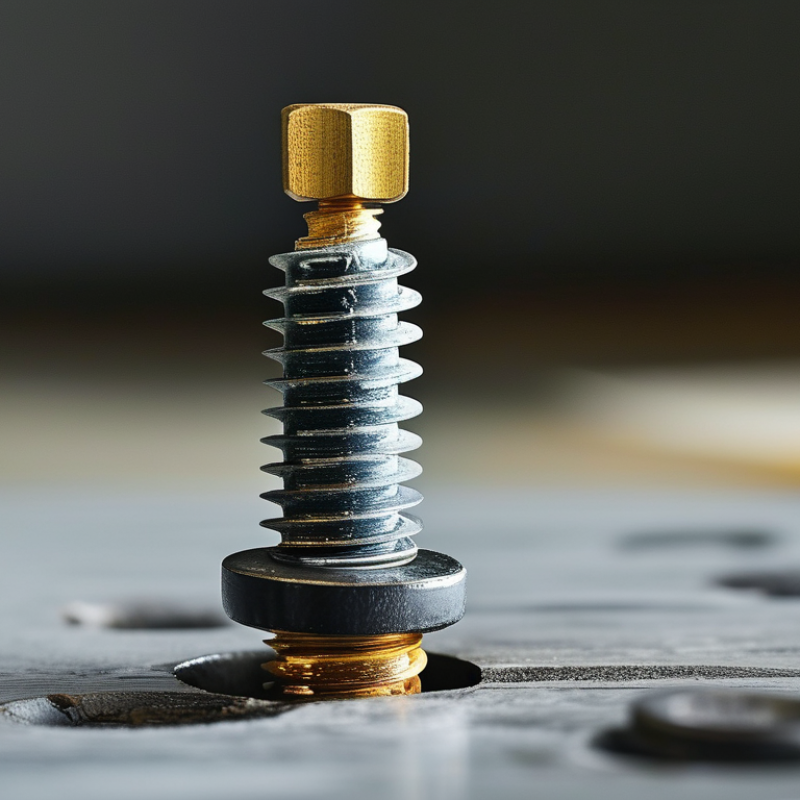
Table of Contents [Hide]
What Is a Seal Screw? Definition, Purpose, and Typical Applications
What Is a Seal Screw and How Does It Work?
What Is a Seal Screw? Definition, Purpose, and Typical Applications
A seal screw is a threaded fastener designed to close an opening while limiting leaks. Unlike a standard screw, it usually works with an O-ring, gasket, sealing washer, or tapered thread. The seal sits between mating surfaces. Tightening the screw creates controlled compression. This pressure blocks fluids, gases, dust, or moisture from passing through the joint.
A seal screw does more than hold parts together. It can protect internal components inside pumps, gearboxes, hydraulic blocks, electrical enclosures, and automotive systems. Technicians commonly select one for service ports, drain holes, inspection openings, and low-pressure fluid passages. Correct installation matters. The threads must match, and tightening torque should follow the component’s specifications. Excessive force can crush the seal or damage the housing.
Material compatibility also deserves attention. Oil, coolant, chemicals, heat, and vibration can affect sealing performance. Stainless steel may suit corrosive environments, while plated steel can fit less demanding equipment. However, no seal screw is a permanent answer. Seals age, threads wear, and contamination can create a leak path. A clean seat, an undamaged sealing element, and a careful inspection usually improve reliability. The term can be misleading, too. Some seal screws provide excellent protection, but they are not automatically pressure-rated components. Engineers should verify pressure, temperature, installation direction, and maintenance needs before approval.