What Is an Infrared Light Device Used For?
An Infrared Light Device uses infrared energy, a form of light that people cannot see, for different practical purposes. Some devices provide gentle radiant heat. Others help sensors detect warmth, allow cameras to map temperature differences, or support carefully controlled light-based treatments. The device’s purpose depends on its wavelength, power, design, and setting. The name alone does not tell you what it can safely or effectively do.
At home, infrared heaters can warm people or nearby surfaces without heating an entire room in the same way as central heating. In clinics and wellness settings, certain light devices are used for specific applications, but results can vary. Evidence, treatment protocols, and device quality matter. They are not substitutes for diagnosis or professional care. Some industrial systems use infrared sensing to check temperatures, spot heat loss, or monitor equipment. Practical details matter here: distance, exposure time, protective eyewear, and the manufacturer’s instructions can change how a device should be used. Read the label.
This guide explains common uses and the differences between device types, while noting where claims may exceed available evidence. Infrared technology is useful, but it is not magic. A small handheld lamp and a thermal camera do very different jobs, even though both involve infrared energy. I should also be clear about a limitation: “infrared light” covers a broad range, so one general explanation cannot confirm whether a particular product suits your needs. Check its specifications, and ask a qualified professional when health concerns are involved.
What an Infrared Light Device Is
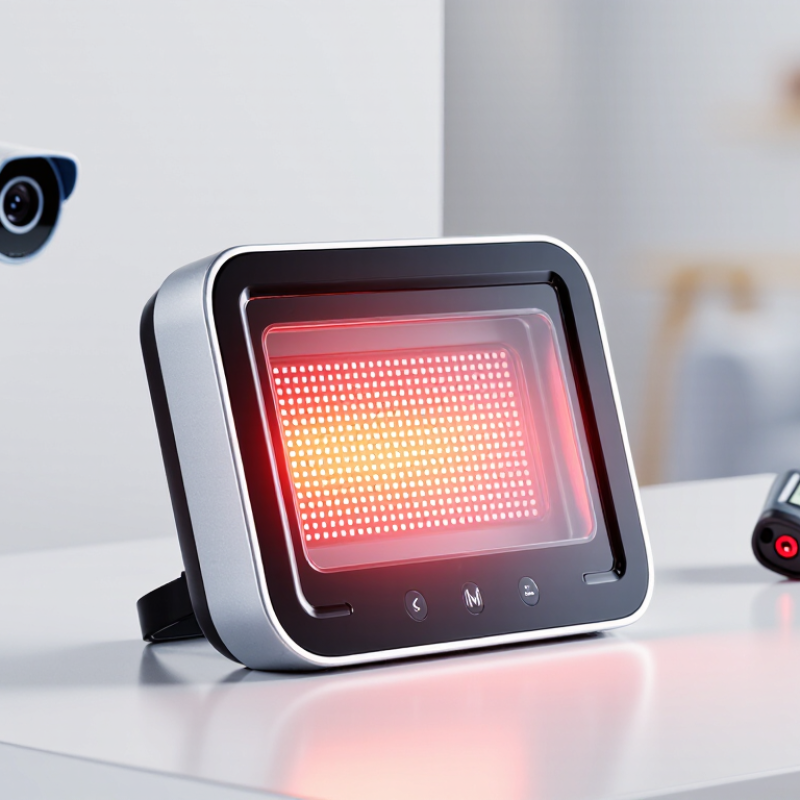
An infrared light device emits wavelengths just beyond visible red light. People cannot see this light, though some devices also produce a visible red glow. The equipment may use LEDs or lamps, and its design affects the wavelength, intensity, and area treated. Some devices warm the skin; others aim to deliver light with little noticeable heat. They are not all interchangeable.
In health settings, certain devices are used for controlled heat therapy or photobiomodulation, a process studied for its effects on cells and tissues. Evidence and approved uses vary by device and condition, so broad claims deserve caution. A home unit is not a substitute for diagnosis or prescribed care. It can also feel deceptively simple: distance, exposure time, and eye protection matter. I would check the instructions rather than guess.
Tips: Keep the device’s recommended distance and session time. Protect your eyes when instructed, and stop if you feel pain or unusual irritation. Ask a qualified health professional before use if you have a relevant medical condition or take light-sensitive medication.
How Infrared Light Devices Work
Infrared light devices emit wavelengths beyond visible red light. The International Commission on Non-Ionizing Radiation Protection defines infrared radiation as roughly 780 nanometres to 1 millimetre in its 2013 guidelines. That is a broad range. Devices within it can work differently. Heating lamps deliver energy that skin absorbs and converts into warmth. Near-infrared LEDs use narrower wavelengths, and their effects depend on wavelength, intensity, exposure time, and distance. The mechanism is not mysterious: light reaches tissue, and some energy becomes heat. But warmth alone does not prove a health benefit.
The distinction matters. IEC 62471:2006 sets photobiological safety assessment methods for lamps across 200–3,000 nanometres, showing why output and exposure deserve attention. A device’s actual spectrum and irradiance matter more than a label saying “infrared.” Follow its instructions, keep the recommended distance, and avoid staring into bright emitters. People with reduced heat sensitivity should be especially cautious. I would not assume every device produces the same result; that is an easy mistake. Infrared can warm tissue, but clinical effects vary, and evidence for specific uses is not equally strong. Check measured specifications and consult a qualified clinician when treating a medical concern.
Common Uses in Health, Industry, and Daily Life
Infrared light devices have different roles, depending on whether they emit heat or detect radiation. In health settings, heat lamps can warm a focused area, such as a person’s shoulder in a therapy room. Near-infrared devices are also used in some light-based treatments, though evidence and intended uses vary. They are not a substitute for medical care. Follow the device instructions, protect your eyes when directed, and ask a clinician if you have a health condition or persistent pain. Warmth feels simple. Its effects are not always simple.
Industry uses infrared for both heating and inspection. Infrared heaters can dry coatings or warm materials without direct contact. Thermal cameras, by contrast, detect heat patterns; workers may use them to spot overheating motors or uneven insulation. A camera can point to a problem, but it cannot explain the cause on its own. Measurements depend on distance, surface finish, and setup.
At home, infrared signals operate many television remotes, while motion sensors can help trigger lights. Night-vision equipment may use infrared illumination to show objects in low light. These examples can make infrared seem like one technology, but the devices work in quite different ways. It is easy to assume they all “shine heat”; some mainly sense what is already there.
What Is an Infrared Light Device Used For?
Examples of infrared applications and their approximate operating wavelength bands.
Infrared devices are used to transmit signals, deliver light in some therapies, carry data through optical fiber, heat materials, and detect emitted heat. Wavelength bands are approximate examples; actual devices vary by design and application.
Benefits and Limitations of Infrared Light
What Is an Infrared Light Device Used For?
Benefits and Limitations of Infrared Light
Infrared devices deliver light or heat to the body, depending on their design. Some warm the skin and nearby tissues, which may ease temporary muscle stiffness or help someone feel relaxed. Other devices use near-infrared light for photobiomodulation. Research suggests possible benefits for certain types of pain, but results vary by condition and treatment method. These devices are not interchangeable. A glowing panel can feel soothing, but that feeling alone does not prove lasting improvement.
Tips: Read the device instructions. Keep the recommended distance and session time. Protect your eyes when advised, and stop if your skin feels too hot or irritated. Small details matter.
Infrared light has limits. It does not replace diagnosis or treatment for an injury or medical condition, and claims of broad, guaranteed benefits deserve caution. Heat-based devices can cause burns, especially with prolonged use or reduced skin sensation. People with relevant health conditions, or those who are pregnant, should ask a qualified healthcare professional before use. Evidence is still developing, so tracking symptoms may help you decide whether the device offers practical comfort. It may not.
Safety Factors When Using Infrared Light Devices
Infrared light devices emit specific wavelengths that may reach the skin and, depending on the device, produce warmth. People use them for purposes such as temporary muscle comfort or skin care, but the evidence and effects vary by device and condition. “Infrared” does not describe one standard dose. Wavelength, power, distance, and exposure time all matter.
Read the device instructions before each session. Keep the recommended distance, use the stated exposure time, and protect your eyes if instructed. Small details matter. Check that the unit and cord are undamaged, and keep the device away from water. The skin should not feel painfully hot. Stop if you notice burning, unusual redness, eye discomfort, dizziness, or worsening symptoms. I used to assume that more warmth meant better results; that assumption is not a safe guide.
People with reduced skin sensation may not notice overheating promptly. If you take medication that increases light sensitivity, have an eye condition, are pregnant, or are managing a health problem, ask a qualified clinician whether use is appropriate. Avoid treating a new or unexplained symptom without medical advice. A device can feel simple to use, yet its instructions deserve careful attention.