
-
- Products
- Indoor Household Cords
- Appliance Cords
- General Purpose Short-Length Cords
- General Purpose Extension Cords
- Landscape & Decorating Cords
- Bright Color Extension Cords
- Oil-Resistant Extension Cords
- Cold-Flex Extension Cords
- VividFlex Power Cords
- EXTREME All-Weather Cords
- Cord Management
- Task Lights
- Adapters & GFCI Devices
- Where to Buy
- About
- Careers
- Glossary
- Catalog


What Is an Extension Cable and How Does It Work?
An extension cable is a practical tool for bringing electrical power closer to a device. You may use one beside a workbench, behind a sofa, or across a temporary outdoor setup. Its design seems simple, but each part has a specific job. The plug connects with the power source. The insulated conductors carry current. The socket delivers that current to an appliance.
In everyday use, an extension cable works by extending the electrical path between an outlet and a device. Its length, conductor size, insulation, and rated load affect performance. A short cable with suitable capacity may power a lamp safely. A thin, tightly coiled cable can become warm under heavy demand. That detail is easy to overlook. Heat is a warning, not a minor inconvenience.
Reliable use requires more than plugging in and switching on. Check the cable for cuts, crushed sections, loose plugs, or exposed wires. Match its rating with the appliance. Keep connections dry, and avoid covering a cable with rugs or furniture. These habits reflect practical electrical experience and widely accepted safety guidance. Still, product labels can be confusing, and ratings vary by region. I may simplify some technical points here, because real installations deserve professional assessment. The goal is clear understanding. You will learn what an extension cable contains, how electricity travels through it, and why correct selection matters. Small choices protect equipment, reduce heat, and support safer daily work.
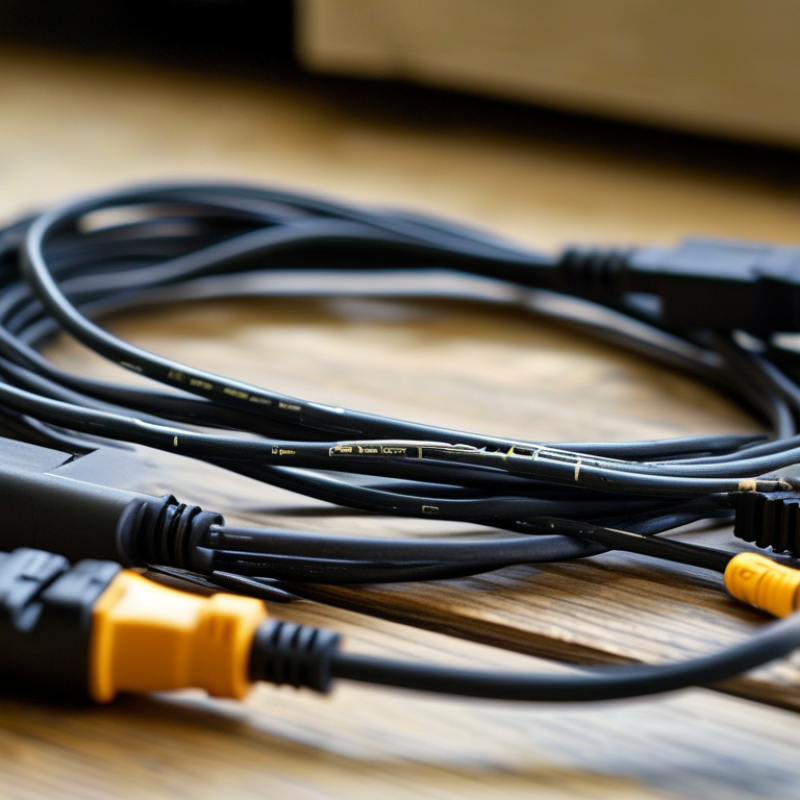
Table of Contents
[Hide]
Definition and Basic Purpose of an Extension Cable
An extension cable is a flexible electrical cable that adds reach between a power outlet and an appliance. It usually contains insulated conductors, a plug, and one or more socket openings. Some models include a grounding path, while others serve only double-insulated equipment. Its basic purpose is temporary access to electricity. It helps power a lamp across a room, a tool in a garden, or equipment at a workbench.
The cable does not create extra electricity. It only carries the available current farther. Its length, conductor size, plug design, and rated load determine safe use. A thin cable may warm under a heavy load, especially when tightly coiled. That detail is easy to overlook. The U.S. Consumer Product Safety Commission reports about 3,300 residential fires involving extension cords each year, with approximately 50 deaths and 270 injuries. These figures show why “temporary” should not become permanent.
NFPA’s Home Structure Fires report identifies electrical distribution and lighting equipment in roughly one-quarter of home structure fires during its reviewed period. An extension cable can become part of that risk when users connect multiple cables, cover them with rugs, or ignore damaged insulation. A practical check should include the plug, socket, cable jacket, and load rating. I still find the rating label less intuitive than it should be. Reading it carefully matters more than choosing the longest cable.
Related Posts
-
What is Extension Wire and How is it Used in Electrical Systems?
-
China Best Extension Cable Options for Reliable Power Supply?
-
How to Choose the Right Extension Cord Wire for Your Needs?
-
What is a Power Cord Extension Cable and Its Uses?
-
2026 Best Short Extension Cord for Every Need and Application?
-
Top 10 Benefits of Using HD Extension Cords for Your Power Needs?