What is the Difference Between Cord and Wire?
When discussing electrical supplies, the terms "cord and wire" often come up. Many people use these terms interchangeably, but they serve different purposes. Understanding the distinction is crucial for both safety and functionality.
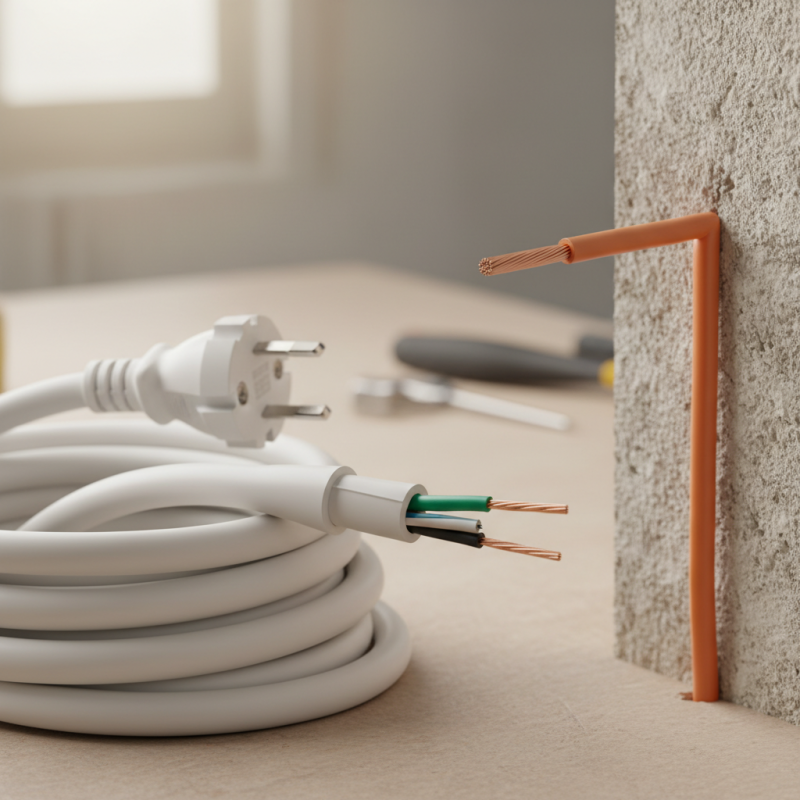
A cord typically refers to a flexible, insulated cable that connects devices to power sources. For example, an appliance cord connects your toaster to an electrical outlet. In contrast, wire generally describes a single conductor, usually with a protective cover. These wires are often used in more permanent installations, like in the walls of your home.
The confusion between cord and wire can lead to improper usage. Using a cord where a wire is needed may cause overheating. On the other hand, using wire for portable devices can create hazards too. Clarity in these terms is essential for effective electrical work and safety.
Definition of Cord and Wire
When we talk about cords and wires, we often think they are the same. However, they serve different purposes and have distinct characteristics.
A cord usually consists of multiple wires bundled together. This structure allows it to carry higher loads. Cords often include insulation, protecting users from electric shocks. For instance, an extension cord connects various appliances to a power source. It's essential for ensuring safety.
On the other hand, wires are single conductors. They are usually made of copper or aluminum. Wires can carry electricity but lack the insulation found on cords. This makes them sometimes less convenient for consumer use. A wire connects components within electronic devices, but it requires care to avoid exposure. While both cords and wires are vital in our daily lives, understanding their differences can enhance safety and usability.
Comparison of Cord and Wire Properties
This chart compares the properties of cord and wire across five different dimensions: Flexibility, Insulation, Conductivity, Durability, and Weight. The ratings are based on a scale from 1 to 10, with higher values indicating better performance in that dimension.
Common Materials Used in Cords and Wires
When exploring cords and wires, materials play a crucial role. Cords are typically constructed from flexible materials, while wires often use more rigid structures. Common materials for cords include rubber, PVC, and nylon. These materials provide durability and flexibility. According to industry reports, rubber cords can withstand extreme temperatures, making them ideal for outdoor uses.
In contrast, wires are primarily made of metals like copper and aluminum. Copper is favored for its excellent conductivity. A report from the International Journal of Electrical Engineering notes that copper wiring is up to 20% more efficient than aluminum. However, copper is heavier and more expensive. Lightweight aluminum wire, while less conductive, is often used in overhead power lines due to its cost-effectiveness.
While the choice of materials is critical, mistakes can occur. Not understanding the application can lead to improper material selection. Using a cord in an environment meant for wire, or vice versa, may result in failure. Therefore, proper education on the properties of cords and wires is essential for effective use in various applications.
What is the Difference Between Cord and Wire? - Common Materials Used in Cords and Wires
| Category |
Cord Materials |
Wire Materials |
Common Uses |
| Insulation |
PVC, Rubber |
PVC, Polyethylene |
Electrical connections, power supplies |
| Flexibility |
Highly flexible |
Less flexible |
Portable appliances, power tools |
| Conductivity |
Non-conductive |
Conductive |
Electrical circuits, wiring |
| Durability |
Moderately durable |
Highly durable |
Long-term installations, heavy equipment |
| Insulation Thickness |
Thicker insulation |
Thinner insulation |
Indoor cables, outdoor power setups |
Typical Uses and Applications of Cords
Cords and wires serve different purposes in our daily lives. Cords are generally used for flexibility. They often connect devices to power sources. For example, a lamp uses a cord to draw electricity. This cord is tailored for easy movement and placement.
Wires, on the other hand, are commonly found in permanent installations. They conduct electricity within systems like home wiring. A typical wire is rigid and designed for stability. It can be difficult to install due to its structure, requiring more planning.
In some cases, choosing between cords and wires is confusing. Some applications may benefit more from a flexible cord, while others need the durability of a wire. Users might overlook important factors like flexibility and strength. This can lead to improper connections and safety issues. Think carefully before making your choice.
Typical Uses and Applications of Wires
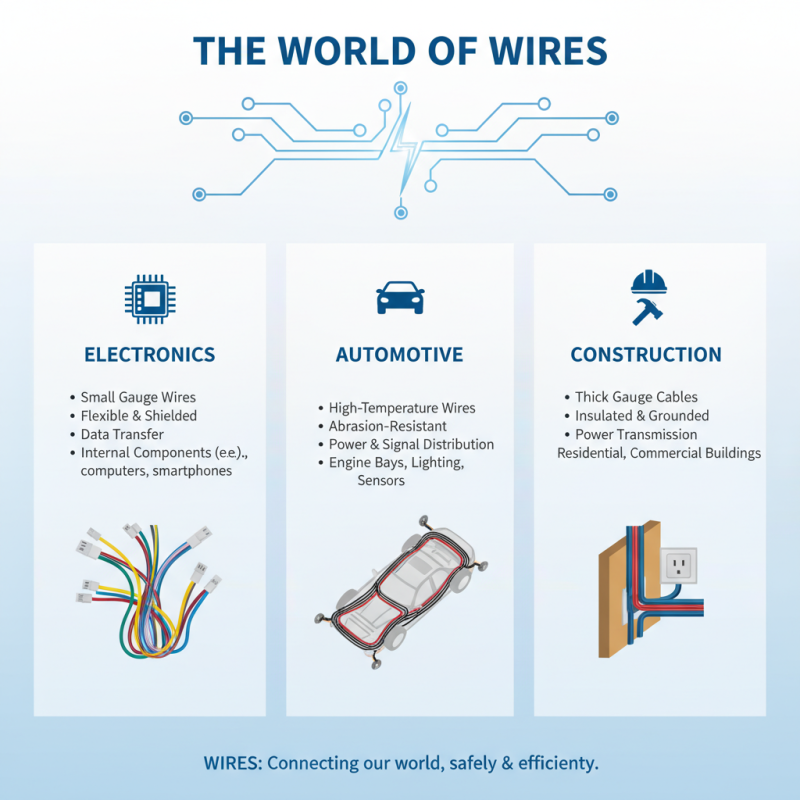
Wires are essential components in various applications. They conduct electricity and connect devices. Commonly, wires are used in electronics, automotive, and construction industries. Each application has specific wire types tailored to its needs.
In electronics, wires link circuit boards, allowing signals to pass. They can be thin and flexible, designed for light-duty applications. Automotive wires handle higher currents, often being thicker and insulated to withstand heat. In construction, wires are used for power distribution. They must be durable and can be heavy-duty to support high voltage.
Tips: Pay attention to wire gauge. Using the wrong gauge can lead to overheating. Also, check insulation ratings before starting your project. Mismatched insulation can cause failures.
Moreover, wires might appear similar but differ in materials. Copper wires are common due to excellent conductivity. Aluminum wires are lighter but can present issues over time. Reflect on material choice carefully. Sometimes, the cheapest option can lead to problems later.
Key Differences in Functionality and Design
Cord and wire serve distinct purposes in both electrical applications and everyday usage. Cords typically consist of multiple strands of wire insulated within a flexible outer layer. This design allows for greater flexibility and ease of movement, making cords ideal for power supply and connection in portable devices. According to the National Electrical Manufacturers Association (NEMA), the demand for flexible cords has grown by over 15% in the last five years, reflecting increasing consumer preference for portable electronics.
In contrast, wire is usually a single solid conductor or a few strands, often without the same degree of insulation. It is primarily used in structural applications, where rigidity and durability are paramount. The Institute of Electrical and Electronics Engineers (IEEE) notes that while cords are favored for mobility, wire is preferred for permanent installations where safety and stability must be ensured. Manufacturers must balance insulation and conductivity to cater to the specific needs of their applications, which adds complexity to design processes.
Crafting cords and wires incurs various challenges. Ensuring the right gauge size is crucial. Using a wire that is too thin can lead to overheating, while an overly thick wire can complicate installation. Additionally, manufacturers face the dilemma of balancing cost and quality. Finding sustainable materials that meet safety standards without significantly raising production costs remains a significant hurdle for many in the industry.