
-
- Products
- Indoor Household Cords
- Appliance Cords
- General Purpose Short-Length Cords
- General Purpose Extension Cords
- Landscape & Decorating Cords
- Bright Color Extension Cords
- Oil-Resistant Extension Cords
- Cold-Flex Extension Cords
- VividFlex Power Cords
- EXTREME All-Weather Cords
- Cord Management
- Task Lights
- Adapters & GFCI Devices
- Where to Buy
- About
- Careers
- Glossary
- Catalog


What Is a Cordless Lawn Mower and How Does It Work?
A Cordless Lawn Mower is a battery-powered machine designed to cut grass without a petrol engine or power cable. It uses a rechargeable battery, an electric motor, and a rotating blade beneath the cutting deck. When you press the safety control, electrical energy moves from the battery to the motor. The motor then spins the blade at high speed, trimming grass into fine pieces or collecting it in a rear bag.
The process is quieter and cleaner than using many traditional petrol mowers. It also removes the need to store fuel, mix oil, or manage a trailing cord. However, cordless does not mean unlimited. Battery capacity, grass height, cutting width, and terrain affect mowing time. Wet or dense grass may drain the battery faster. A steep garden can also expose weaknesses in a lightweight model.
Battery technology has improved, but no mower suits every yard. Small lawns may need only one charge. Larger areas might require a spare battery or a higher-capacity system. From practical use, balanced wheels and an adjustable handle can matter as much as motor power. I once underestimated that detail. An uncomfortable handle made a simple mowing task feel unnecessarily tiring.
This guide explains the main components, operating process, benefits, and limitations of cordless lawn mowers. It also considers charging habits, blade maintenance, safety controls, and realistic performance. The goal is not to praise every model. It is to help readers choose and use one with clearer expectations.
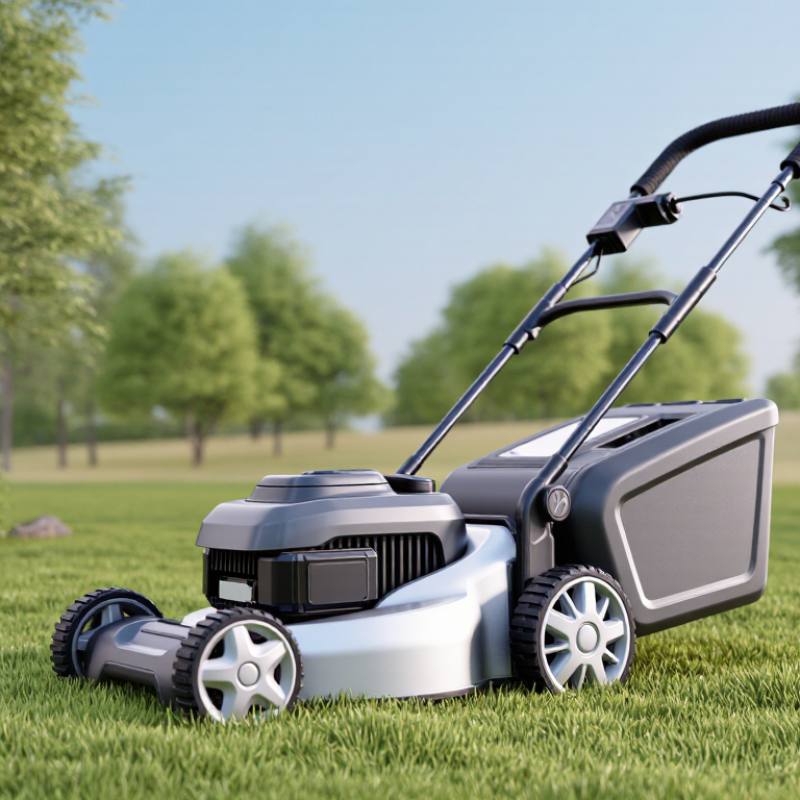
Table of Contents [Hide]
Cordless Lawn Mower Definition Under ANSI/OPEI B71.1 Safety Standards
What Is a Cordless Lawn Mower and How Does It Work?
A cordless lawn mower is a battery-powered mower without an external power cable. Its rechargeable battery sends electricity to a motor, which turns the cutting blade beneath the deck. The operator guides the mower using a handle and controls its travel, blade engagement, and sometimes speed.
Under ANSI/OPEI B71.1, cordless operation is not a separate safety category by itself. The standard addresses applicable safety features for covered consumer turf-care equipment, including walk-behind mowers. These features can involve blade control, operator presence, guarding, discharge protection, and warning information. A compliant design should reduce hazards when the handle is released or a control is disengaged. Exact requirements depend on the equipment’s configuration. That detail matters.
In practical use, the battery should lock firmly into its compartment, and the blade should stop before clearing grass clippings. Users should inspect the deck, handle, and discharge area before each session. A label alone does not prove complete safety. I have seen how rushed maintenance creates avoidable risks, especially when damp grass hides debris. The standard offers a technical framework, not a substitute for reading the mower’s instructions or checking local requirements.
Tips: Charge the battery in a dry, ventilated place. Remove the battery before cleaning or servicing. Keep hands away from the blade area, even when the mower appears quiet. Forgetting that last step is an easy mistake.