
-
- Products
- Indoor Household Cords
- Appliance Cords
- General Purpose Short-Length Cords
- General Purpose Extension Cords
- Landscape & Decorating Cords
- Bright Color Extension Cords
- Oil-Resistant Extension Cords
- Cold-Flex Extension Cords
- VividFlex Power Cords
- EXTREME All-Weather Cords
- Cord Management
- Task Lights
- Adapters & GFCI Devices
- Where to Buy
- About
- Careers
- Glossary
- Catalog


7 Circuit Breaker Buying Tips for Global Buyers?
Global electricity demand is rising, and dependable protection is becoming more important for every international project. The IEA Electricity 2024 report expects global electricity demand to grow by about 3.4% annually from 2024 to 2026. More factories, data centers, buildings, and charging stations require carefully selected protection devices.
A Circuit Breaker is not simply a low-cost switch in a catalog. Its interrupting capacity, voltage rating, trip curve, pole configuration, and operating environment must match the installation. IEC 60898-1 covers many household and similar applications, while IEC 60947-2 addresses industrial circuit breakers. These standards provide a useful technical foundation, but buyers still need verified test reports and traceable certification.
The risk is practical. NFPA research on 2016–2020 U.S. home fires linked electrical distribution and lighting equipment to an annual average of 32,760 fires, 470 civilian deaths, and 1,100 injuries. Global conditions differ, yet the lesson remains clear: incorrect protection can turn a small wiring fault into a serious event.
Seven buying tips can help global buyers compare suppliers, specifications, documentation, and after-sales support. Look beyond the product photograph. Ask for test evidence. Confirm local grid conditions. Review temperature, humidity, altitude, and enclosure requirements. A cheaper unit may appear attractive. It may also create hidden replacement costs.
Even experienced teams miss details.
Some recommendations may need adjustment for regional codes, project size, or installation practice. That is not a weakness; it is a reason to involve qualified engineers and independent inspectors. Reliable purchasing combines standards, field experience, supplier accountability, and careful verification before shipment.
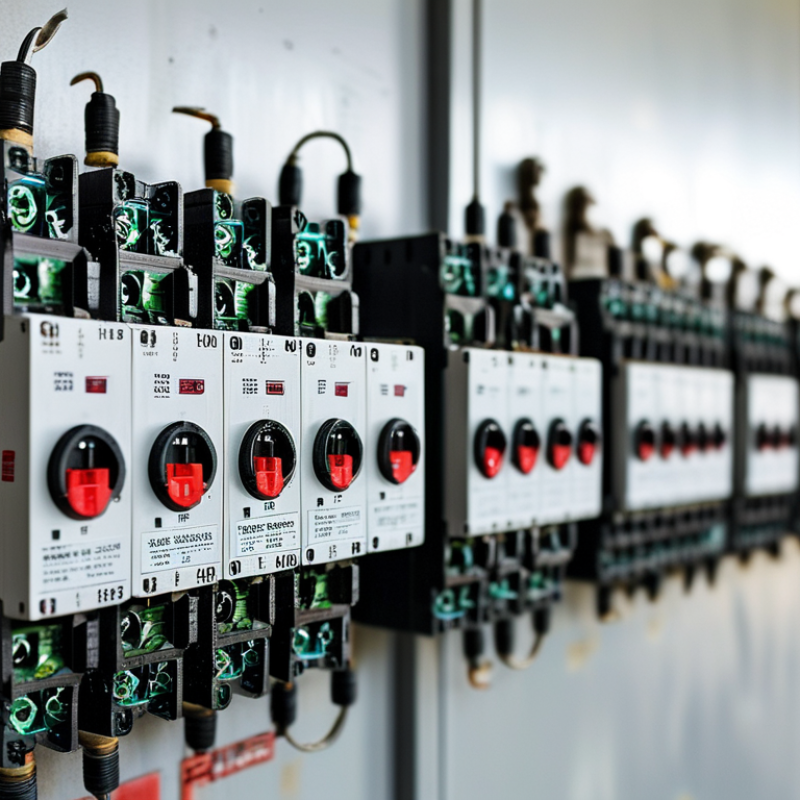
Table of Contents [Hide]
Identify the Circuit Breaker Type and Application Requirements
7 Circuit Breaker Buying Tips for Global Buyers
Identify the Circuit Breaker Type and Application Requirements
Global buyers should identify the circuit breaker type before comparing prices or specifications. The load determines the protection method.
A miniature circuit breaker may suit lighting and small socket circuits. A molded-case breaker can protect larger commercial feeders. Residual-current protection is necessary where electric shock or leakage risks exist. Some applications need combined overcurrent and residual-current protection.
Check the system voltage, operating current, frequency, number of poles, and short-circuit rating. A breaker rated for 6 kA may be unsuitable where the prospective fault current reaches 10 kA. Do not guess. Review the installation drawing and measured load data.
Motor circuits require attention to starting current and thermal behavior. A standard lighting curve may trip during motor startup. Direct-current systems also need compatible arc interruption, because DC arcs behave differently from AC arcs. This detail is often missed.
Environmental conditions matter too. Dust, humidity, high temperatures, vibration, and limited enclosure space can affect performance. Confirm the rated temperature and installation position. In field inspections, loose terminals have caused more trouble than many buyers expect.
Ask for calibration information, routine test records, and clear technical documentation. Check whether the selected device fits local installation requirements and the panel’s busbar arrangement. One practical mistake is choosing by current rating alone. The choice may look correct on paper, yet fail under real operating conditions.