
-
- Products
- Indoor Household Cords
- Appliance Cords
- General Purpose Short-Length Cords
- General Purpose Extension Cords
- Landscape & Decorating Cords
- Bright Color Extension Cords
- Oil-Resistant Extension Cords
- Cold-Flex Extension Cords
- VividFlex Power Cords
- EXTREME All-Weather Cords
- Cord Management
- Task Lights
- Adapters & GFCI Devices
- Where to Buy
- About
- Careers
- Glossary
- Catalog


How to Choose the Right Throttle Pedal Sensor
Choosing the right Throttle Pedal Sensor is essential for smooth acceleration, stable engine response, and dependable vehicle control. This component translates pedal movement into an electrical signal for the engine control unit. A small mismatch can create hesitation, warning lights, or limited power. The connector may fit. The signal may still be wrong.
A reliable selection process begins with the vehicle’s exact make, model, engine, year, and transmission. Original equipment numbers provide a stronger reference than appearance alone. Technical service manuals and trusted parts catalogs can confirm compatibility. Some sensors use dual potentiometer tracks, while others use Hall-effect technology. Their voltage ranges, pin layouts, and calibration requirements may differ.
Physical inspection also matters. Check the mounting points, pedal travel, connector lock, and wire orientation. Look for corrosion near the terminals. Measure the reference voltage and signal output with suitable diagnostic equipment. Never assume a fault belongs to the sensor without testing wiring and grounding. That mistake can waste time and money.
Environmental conditions deserve attention. Frequent stop-and-go driving, moisture, dust, and extreme temperatures can expose weak construction. A quality Throttle Pedal Sensor should provide consistent readings across its full movement. It should also meet documented manufacturer specifications, not merely promise “universal” fitment. Experience from workshop diagnosis shows that the cheapest replacement is not always the safest choice. Sometimes, the original sensor only needs a connector repair or recalibration. That possibility deserves honest consideration.
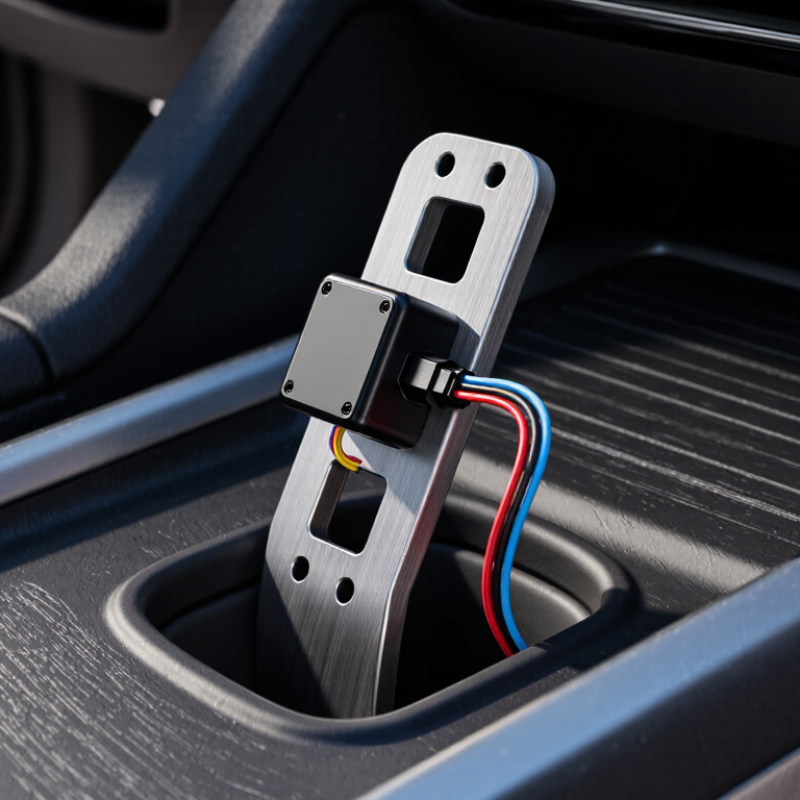
Table of Contents [Hide]
Understanding the Function and Types of Throttle Pedal Sensors
How to Choose the Right Throttle Pedal Sensor
Understanding the function and types of throttle pedal sensors helps prevent poor acceleration and unsafe responses. This sensor, often called an accelerator pedal position sensor, measures pedal movement and sends an electrical signal to the engine control unit. The control unit then adjusts throttle opening, fuel delivery, and sometimes transmission behavior. Smooth response matters.
Most modern sensors use dual signal tracks for monitoring and fault detection. Hall-effect sensors usually resist mechanical wear because they operate without direct contact.
Potentiometer-based sensors use a moving contact and can be reliable, but wear may develop over time. Output voltage, signal direction, connector design, mounting points, and calibration must match the vehicle’s original specifications.
Guessing is risky. During inspection, compare both signal tracks while pressing the pedal slowly. The readings should change smoothly, without sudden drops, spikes, or dead areas.
Check the wiring near the pedal, where repeated movement can cause hidden damage. A replacement sensor may fit physically but still produce an incorrect signal. That detail is easy to miss.
Temperature, moisture, vibration, and pedal travel also influence long-term performance.
In practice, technical documentation is more dependable than appearance alone, although even documentation should be checked against the vehicle’s production version.
Rechecking the installation and performing the required calibration is a step worth keeping.