
-
- Products
- Indoor Household Cords
- Appliance Cords
- General Purpose Short-Length Cords
- General Purpose Extension Cords
- Landscape & Decorating Cords
- Bright Color Extension Cords
- Oil-Resistant Extension Cords
- Cold-Flex Extension Cords
- VividFlex Power Cords
- EXTREME All-Weather Cords
- Cord Management
- Task Lights
- Adapters & GFCI Devices
- Where to Buy
- About
- Careers
- Glossary
- Catalog


How to Choose the Best Medical Syringe Pump?
Choosing the best Medical Syringe Pump is a clinical decision, not simply a comparison of prices and features. The right device must match the medication, syringe size, infusion rate, and patient’s condition. In a neonatal unit, for example, a small flow-rate error can affect a fragile patient quickly. In an operating room, clear alarms and dependable battery performance may matter more. Small errors matter.
Experienced healthcare teams examine delivery accuracy, occlusion detection, alarm visibility, and compatibility with approved syringes. They also check how easily staff can load the syringe, confirm settings, and respond during an interruption. A complicated interface may increase workload during an emergency. An attractive screen does not guarantee safe performance.
This guide explores the practical factors behind a reliable purchase. It considers clinical workflow, maintenance requirements, cleaning procedures, training needs, and documentation from reputable manufacturers. Independent testing and current regulatory guidance should support the final decision, rather than marketing claims alone. The device should also fit the hospital’s existing monitoring and infusion systems when applicable. Yet no pump is perfect. Battery life can decline, alarms may be misunderstood, and routine checks are sometimes skipped. That uncomfortable reality deserves attention. A sound selection process therefore includes staff feedback, risk assessment, scheduled inspection, and clear procedures for troubleshooting. Readers should verify product specifications, approved accessories, and local requirements before use. Safety depends on both engineering and disciplined practice.
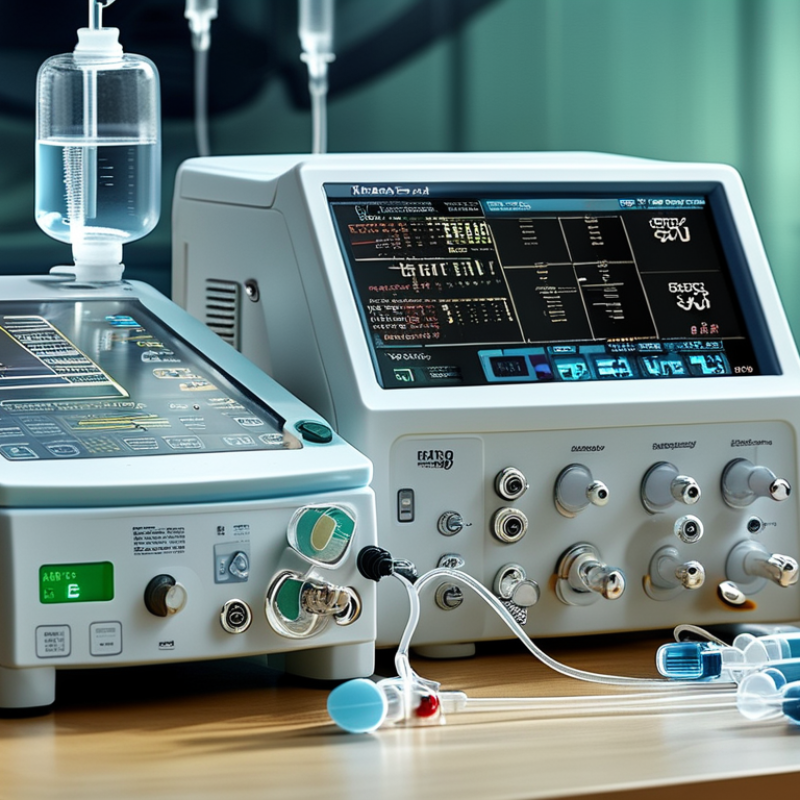
Table of Contents [Hide]
What Is a Medical Syringe Pump and How Does It Work?
A medical syringe pump delivers controlled volumes of medication through a syringe and infusion line. A motor pushes the syringe plunger at a programmed rate. Sensors monitor movement, pressure, and possible occlusion. The device may stop when resistance rises or the syringe becomes empty. The screen usually displays flow rate, volume, and remaining time. It looks simple. It is not.
Its value appears when treatment requires small, steady doses. Neonatal care, anesthesia, and critical care often demand precise delivery. However, pump accuracy does not guarantee correct therapy. The syringe size, medication concentration, tubing, and programming all influence the result.
WHO estimates that medication-related harm affects about one in twenty patients in healthcare, according to its Global Patient Safety Action Plan 2021–2030. That figure supports careful selection, not blind trust.
When comparing pumps, review occlusion detection, alarm visibility, anti-bolus control, battery duration, and compatibility with common syringe sizes. Check whether staff can read the display under dim ward lighting. ECRI’s 2024 Top 10 Health Technology Hazards identifies infusion pump medication errors as a continuing safety concern.
This matters during handovers, when small input mistakes can travel quickly. A useful reflection is often missed: the best pump is not simply the most accurate model. It is the one staff can program, inspect, clean, and troubleshoot correctly. Human factors still matter.