How to Choose the Best Extension Cord Cable for Your Needs?
Choosing the right extension cord cable is crucial for safety and efficiency. According to a report by the National Fire Protection Association (NFPA), over 4,000 home electrical fires occur each year due to improper use of electrical cords. This statistic highlights the importance of selecting an appropriate extension cord. As expert James Wright, a certified electrical engineer, once stated, “Not all extension cords are created equal. The wrong choice can lead to hazards.”
Each extension cord has unique specifications, such as length, gauge, and capacity. These factors significantly influence performance. For instance, a 16-gauge cord can handle up to 1,250 watts, ideal for small appliances. However, a 12-gauge cord supports heavier loads, up to 2,000 watts, making it essential for power tools. Many consumers overlook these details.
Furthermore, durability is key. Cords vary in weather resistance and insulation quality. Using a low-quality extension cord outdoors can lead to wear and potential failure. Recognizing these aspects is vital for making informed choices. Understanding the specifications can mean the difference between safety and danger. Not every extension cord cable meets safety standards, making research essential.
Understanding Your Power Needs and Usage Scenarios
Choosing the right extension cord starts with understanding your power needs. Consider the devices you plan to use. Are they high-power appliances or simple electronics? This will influence the cord's wattage rating. For instance, heavy-duty tools need a thicker gauge cord to handle their power demands. If you often work in your garage, a 10-gauge cord may be necessary. Think about where you'll plug in these devices too.
Usage scenarios matter immensely. If you'll be outdoor, look for cords designed for rugged conditions. They should be weather-resistant to handle rain or humidity. Indoor cords might not require such durability, but their length and flexibility can affect your setup. Be mindful of the distance. A long cord can lead to power loss, affecting performance.
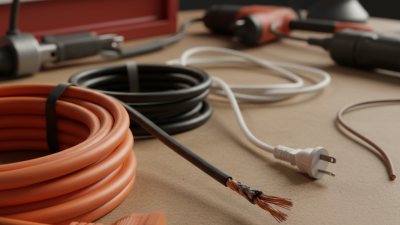
Regularly check your cords for wear and potential hazards. Frayed edges can cause electrical fires. Using an extension cord for a long term may indicate a need for more outlets. Reflecting on these considerations can lead to a safer and more effective choice.
How to Choose the Best Extension Cord Cable for Your Needs?
| Cord Length |
Amp Rating |
Usage Scenario |
Recommended Application |
| 6 ft |
15A |
Indoor Use |
Small Appliances |
| 25 ft |
15A |
Outdoor Use |
Power Tools |
| 50 ft |
12A |
Outdoor Use |
Lawn Equipment |
| 100 ft |
10A |
Heavy Duty Indoor/Outdoor |
Construction Sites |
| 200 ft |
10A |
Outdoor Use |
Event Power Supply |
Types of Extension Cords and Their Specific Applications
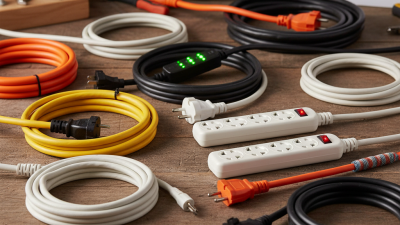
When selecting an extension cord, understanding the different types available is crucial. Heavy-duty extension cords are designed for power tools and appliances. They support high wattage and are perfect for outdoor use. A light-duty cord is suitable for indoor appliances like lamps and chargers. Short cords help when you need portability, while long cords offer extra reach.
Safety is essential when using extension cords. Always consider the wattage needs of your device. If unsure, consult the device's manual for wattage details. Make sure to choose a cord with sufficient gauge. A lower gauge number means it can handle more current, which is critical for power-hungry devices.
Tips: Check for damaged insulation or frayed wires before use. Consider using a cord with built-in surge protection for sensitive devices. And avoid overloading your extension cord, as this can cause overheating. If a cord feels hot, it may not be suitable for your devices. Always be cautious and prioritize safety.
Extension Cord Types and Their Applications
This chart illustrates the frequency of usage of different types of extension cords based on common applications. Indoor and outdoor extension cords are the most commonly used, while retractable designs are less frequent.
Key Specifications to Consider When Choosing an Extension Cord
When selecting an extension cord, understanding key specifications is crucial. The wire gauge is one of the most important factors. Lower gauge numbers denote thicker wires, which can handle more current. For example, a 12-gauge cord can support heavy-duty tools, while a 16-gauge cord suffices for lights and small appliances. According to the National Electrical Manufacturers Association, using the right gauge can prevent overheating, reducing the risk of fire.
Next, consider the cord length. Longer cords may lead to voltage drop, which reduces efficiency. The Appliance Research Institute suggests keeping distance to a minimum whenever possible. If you need a longer reach, opt for a thicker gauge to maintain power. Additionally, check the cord's amp rating, ensuring it meets or exceeds the device requirements. Devices requiring over 10 amps need at least a 14-gauge cord to operate efficiently.
Another aspect often overlooked is safety features. Look for cords with built-in circuit breakers or surge protectors. These features can mitigate unexpected surges and improve safety. However, using such cords does not eliminate all risks. Always inspect cords for wear and avoid overloading them. Maintaining these basic practices can significantly enhance extension cord safety and reliability.
Safety Features to Look for in an Extension Cord
When choosing an extension cord, safety features are paramount. A reputable report by the National Fire Protection Association (NFPA) highlights that electrical failures cause nearly 40% of home structure fires. Therefore, selecting a cord with built-in safety features is essential.
Look for extension cords with overload protection. This feature automatically cuts off power when the cord exceeds its rated capacity. According to the Electrical Safety Foundation International (ESFI), cords with this feature can prevent overheating and potential fires. Additionally, a built-in circuit breaker adds another layer of safety. It helps to swiftly disconnect the power during short circuits.
Tip: Always check the UL (Underwriters Laboratories) mark on extension cords. This certification ensures that the product has undergone rigorous testing for safety and performance. Choosing cords with insulated plugs also reduces the risk of electric shock.
Consider the length and gauge of the cord. A longer cord may lead to voltage drop, impacting performance. If a cord is damaged, replacing it is wiser than attempting a repair. Remember, it’s not just about convenience but also about safety. Being aware and making informed choices can significantly reduce risks associated with defective cords.
Maintenance Tips for Ensuring Longevity of Your Extension Cord
Maintaining your extension cord is essential for its longevity. Regularly inspect the cord for frays and exposed wires. Look closely at the connections, as they tend to wear out. If you notice any damage, consider replacing the cord. Using a damaged cord can lead to serious electrical hazards.
Proper storage is also vital. Avoid wrapping your extension cord too tightly, as this can damage the internal wiring. Instead, store it loosely in a dry area. Moisture can lead to corrosion, so keep it off the ground. Using a protective cover can also help minimize wear and tear.
When in use, avoid overloading the cord. Each extension cord has a maximum load capacity. Exceeding this can lead to overheating. Always try to use the cord within its limits. If you find yourself needing more power, consider using multiple cords or a dedicated circuit. These practices can ensure your extension cord remains reliable for years.