
-
- Products
- Indoor Household Cords
- Appliance Cords
- General Purpose Short-Length Cords
- General Purpose Extension Cords
- Landscape & Decorating Cords
- Bright Color Extension Cords
- Oil-Resistant Extension Cords
- Cold-Flex Extension Cords
- VividFlex Power Cords
- EXTREME All-Weather Cords
- Cord Management
- Task Lights
- Adapters & GFCI Devices
- Where to Buy
- About
- Careers
- Glossary
- Catalog


How to Choose the Best Die Spotting Machine?
Choosing the right Die Spotting Machine can determine how quickly a tool moves from maintenance to reliable production. It affects die alignment, setup safety, adjustment time, and long-term operating costs. A machine may look impressive in a brochure, yet still fail your workshop’s daily needs.
Mauro Viganò, an industry specialist associated with Millutensil, offers a useful principle: “A spotting machine must make die adjustment safer, faster, and more repeatable.” That idea should guide every comparison. Start with practical measurements. Check the die’s maximum weight, dimensions, shut height, daylight, and required clamping force. Then examine the bolster size, spotting accuracy, table movement, tilting range, and operator visibility. A few millimeters can matter when matching punches, cavities, and guide components.
Safety deserves equal attention. Look for guarded movement, emergency stops, stable hydraulic control, and clear access around the working area. Ask how easily technicians can inspect hoses, sensors, lubrication points, and control systems. Reliable service support may save more money than a slightly lower purchase price.
Specifications alone can mislead. A faster machine is not always better if its controls confuse operators or its accuracy changes under load. The best choice depends on your dies, production volume, maintenance skills, and available floor space. There is no perfect checklist. I have seen buyers focus on tonnage and overlook installation clearance, training, or spare-part availability. That mistake is easy to make.
This guide explains how to compare Die Spotting Machine options with practical criteria, measurable risks, and realistic workshop expectations. The goal is not simply to buy powerful equipment. It is to select a dependable partner for safer die development and repeatable results.
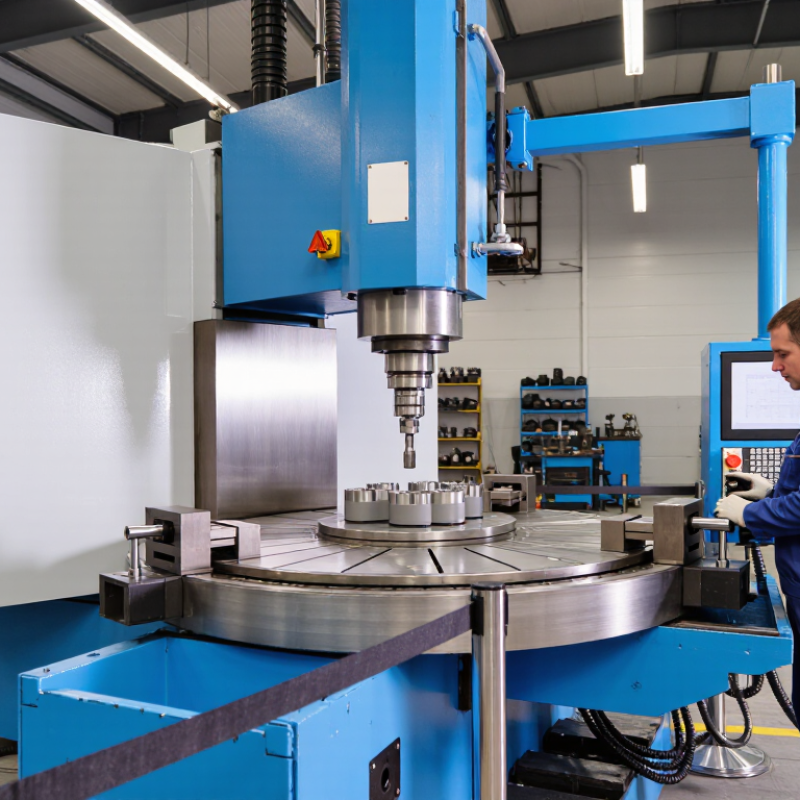
Table of Contents [Hide]
What Is a Die Spotting Machine and How Does It Work?
How to Choose the Best Die Spotting Machine?
What Is a Die Spotting Machine and How Does It Work?
A die spotting machine is a precision press used to inspect, assemble, and adjust stamping dies. It does not produce full-volume parts like a production press. Instead, it helps technicians confirm alignment before the die enters regular operation. The machine opens and closes the die at a controlled speed. Its moving platen applies measured pressure against the fixed platen. Engineers can then observe contact marks, gaps, and forming surfaces.
Many machines also provide die tilting, turning, or sliding functions. These movements expose hidden areas around complex cavities. Low-pressure closing helps technicians locate uneven contact without damaging fresh surfaces. Hydraulic systems provide smooth force, while sensors monitor position and pressure. A practical inspection may include checking shut height, guide-pin engagement, and material clearance. Small errors matter. A gap of less than one millimeter can affect part quality.
Choosing the right machine requires more than comparing maximum tonnage. Check the die dimensions, weight, opening stroke, platen size, and required turning angle. A machine with excessive capacity may waste floor space and energy. A small machine may restrict safe access. I have seen teams focus on pressure ratings and overlook platen visibility. That decision often slows adjustment work. Maintenance access, control accuracy, operator visibility, and documented inspection procedures deserve equal attention. No machine removes the need for skilled judgment. Surface marks can be misleading, especially when lubrication or debris remains on the die.
How to Choose the Best Die Spotting Machine? - What Is a Die Spotting Machine and How Does It Work?
| Evaluation Dimension | Typical Data or Operating Range | What It Means | Selection Guidance |
|---|---|---|---|
| Machine Purpose | Inspection, alignment, adjustment, and spotting of die components before production. | The machine allows operators to check contact between die sections at low speed and controlled pressure. | Choose a spotting machine when die fit, parting-line contact, or alignment must be verified safely before full-speed production. |
| Typical Die Types | Injection molds, die-casting dies, stamping dies, forging dies, and other multi-part tooling. | The machine holds and moves die halves so their working surfaces can be examined and corrected. | Confirm that the machine layout, platen size, load capacity, and mounting system match the die construction. |
| Clamping Force | Approximately 20 to 500 metric tons is common for many spotting applications; larger machines are available. | Clamping force holds the die sections together during contact checking and adjustment. | Select a capacity above the die's required contact load, while avoiding unnecessary oversizing that increases cost and energy use. |
| Platen or Table Size | Typical working areas range from about 600 × 500 mm to more than 2,000 × 1,500 mm. | The platen supports and locates the die. Its usable area must accommodate the die footprint and clamping hardware. | Allow clearance for die shoes, clamps, lifting points, ejector connections, and operator access. |
| Maximum Die Height and Daylight | Many machines provide approximately 500 to 2,000 mm of adjustable open height, depending on design. | Daylight is the available space between the platens when the machine is open. | Calculate the total die height, required opening for loading, and additional space for inserts or maintenance tools. |
| Opening Stroke | Approximately 300 to 1,500 mm, depending on the machine size and die-access requirements. | The stroke determines how far the moving platen can travel away from the fixed platen. | Use a longer stroke for deep dies, large inserts, automated loading, or frequent inspection access. |
| Machine Movement | Hydraulic or servo-hydraulic movement with adjustable speed, position, and pressure. | Controlled movement lets the operator bring die halves together slowly and stop before damage occurs. | Prioritize precise low-speed movement, smooth stopping, and repeatable positioning over maximum speed. |
| Tilting Capability | Common configurations include fixed platens or tilting ranges such as 0° to 90° or 0° to 180°. | Tilting improves visibility and access to parting lines, cavities, cores, and difficult-to-reach surfaces. | Select a tilting system when inspection, polishing, fitting, or insert work is performed from multiple angles. |
| Rotational Function | Some configurations offer 360° rotation, while others use a fixed or limited-rotation table. | Rotation allows the die to be viewed and serviced without repeated repositioning by a crane. | Choose rotation when the die is large, heavy, or requires frequent access around its perimeter. |
| Die Mounting Method | T-slots, threaded holes, hydraulic clamps, magnetic clamping, or a combination of systems. | The mounting system secures the die and maintains alignment during movement and contact checking. | Match the table pattern and clamp capacity to existing die shoes and plant lifting procedures. |
| How the Machine Works | The die is mounted, aligned, opened and closed at controlled speed, lightly brought into contact, then inspected and adjusted. | Hydraulic cylinders or servo systems control platen movement, while sensors and a controller manage position, pressure, and safety interlocks. | Evaluate ease of setup, visibility during closing, fine adjustment capability, and the quality of position and pressure feedback. |
| Control System | Manual controls, programmable logic control, touchscreen operation, recipe storage, and position or pressure monitoring. | The control system determines how accurately and consistently operators can repeat spotting operations. | For frequent die changes, select recipe management, clear diagnostics, password levels, and data recording. |
| Safety Features | Guarding, emergency stops, safety light curtains or doors, overload protection, anti-drop valves, and interlocked controls. | These features reduce the risk of crushing, unexpected movement, and die or machine damage. | Verify compliance with applicable local machinery-safety requirements and confirm that all safety devices are tested and documented. |
| Accuracy and Repeatability | Depends on machine structure, hydraulic stability, sensors, guides, calibration, and operating conditions. | Repeatable platen positioning helps identify contact differences and reduces repeated manual fitting. | Request documented positioning repeatability and test results rather than relying only on nominal specifications. |
| Energy and Maintenance | Hydraulic systems require fluid, filtration, seals, and hose maintenance; servo-hydraulic systems may reduce idle energy use. | Total operating cost includes power, hydraulic maintenance, calibration, tooling, and operator time. | Compare lifecycle cost, maintenance access, spare-part availability, service response, and training requirements. |
| Best Choice for High-Mix Toolrooms | Flexible machine with programmable movement, tilting or rotation, quick clamping, and stored setup parameters. | Supports frequent changes between dies with different sizes, weights, and inspection requirements. | Prioritize versatility, setup speed, access, and operator ergonomics. |
| Best Choice for Large Dies | High load capacity, large platen, long stroke, rigid guides, suitable lifting access, and optional rotation. | Large tooling requires structural stability and enough space for safe loading, movement, and inspection. | Base the choice on the heaviest die, largest footprint, center of gravity, and available workshop floor space. |
Note: The numerical ranges are typical reference values for industrial die spotting equipment. Actual specifications vary by machine size, die application, tooling weight, required opening, control architecture, and applicable safety standards. Always verify the manufacturer's rated capacity and conduct a layout review before purchase.