
-
- Products
- Indoor Household Cords
- Appliance Cords
- General Purpose Short-Length Cords
- General Purpose Extension Cords
- Landscape & Decorating Cords
- Bright Color Extension Cords
- Oil-Resistant Extension Cords
- Cold-Flex Extension Cords
- VividFlex Power Cords
- EXTREME All-Weather Cords
- Cord Management
- Task Lights
- Adapters & GFCI Devices
- Where to Buy
- About
- Careers
- Glossary
- Catalog


7 Tips for Choosing a Vehicle Wedge Barrier
Choosing a Vehicle Wedge Barrier is not simply a matter of selecting the strongest-looking steel plate. The right system must match the site, vehicle threat, traffic flow, and maintenance capacity. As physical security author Dr. Mary Lynn Garcia states, “Security works best as a system, not as a single product.” That principle matters at every entrance.
This guide presents seven practical tips for evaluating a Vehicle Wedge Barrier. Start with the required impact rating, such as ASTM F2656, IWA 14-1, or PAS 68. Confirm that the tested configuration matches the proposed installation. A rating can lose meaning when the foundation, road surface, or barrier spacing changes. Check the clear roadway width, wedge height, stopping distance, and cycle speed. These details affect delivery vehicles, emergency access, and daily congestion.
Look below the surface. Foundation depth, drainage, groundwater, and nearby utilities can determine whether installation succeeds. Hydraulic units may suit heavy-duty sites, while electromechanical systems can simplify certain maintenance plans. Neither option is universally better. Climate matters, too. Salt air, freezing temperatures, dust, and standing water expose weak designs quickly.
Ask about controls, backup operation, sensors, warning lights, and integration with access systems. Maintenance records should be clear. Spare parts should be available locally, if possible. A barrier that stops one test vehicle but fails during a power outage is not a complete solution. That is an uncomfortable point.
Security teams should compare lifecycle cost, not only purchase price. A careful site survey may reveal that a smaller, properly installed Vehicle Wedge Barrier performs better than an oversized model. Real conditions are rarely perfect. That is why verification, qualified installation, and scheduled inspection deserve equal attention.
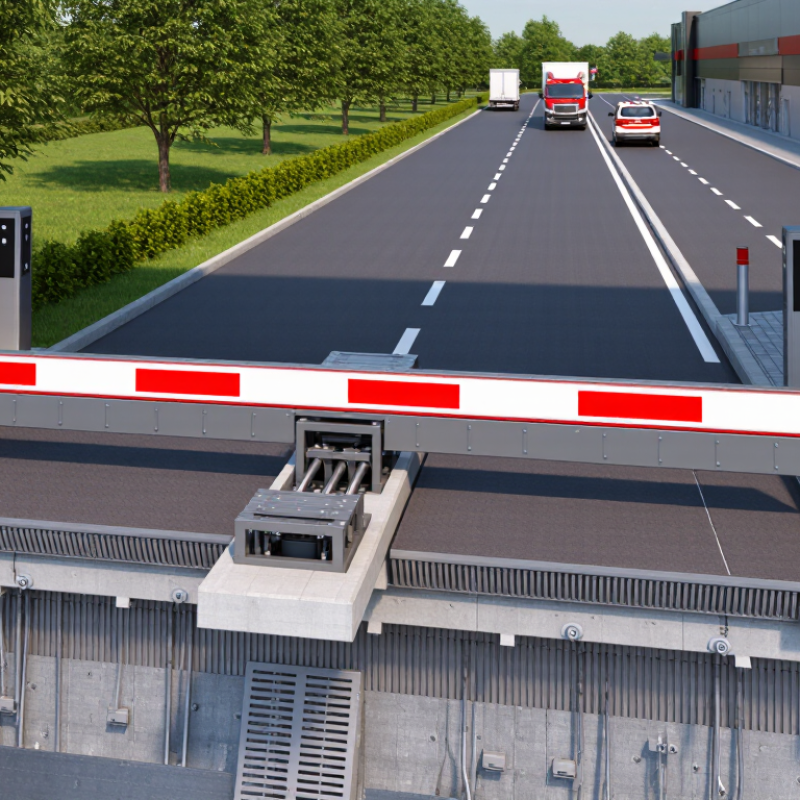
Table of Contents [Hide]
Vehicle Wedge Barriers: Purpose, Types, and Protection Levels
7 Tips for Choosing a Vehicle Wedge Barrier
Vehicle wedge barriers control hostile or accidental vehicle access at gates, driveways, and sensitive entrances. Their raised steel plate creates a physical stop, while the lowered position permits approved traffic. They are not simply oversized gates. Their purpose includes delaying impact, protecting pedestrians, and supporting controlled site movement.
Choose the type according to traffic patterns and installation conditions. Fixed wedges suit locations requiring constant protection. Retractable models fit entrances that need regular vehicle access. Shallow-mount systems can help where underground space is limited, although drainage and foundation strength still matter. Deep-mount designs usually provide greater structural support, but excavation can disrupt existing utilities. Check opening width, cycle frequency, emergency access, and visible warning equipment before selecting a model.
Protection levels must match the credible vehicle threat, not an impressive label. Review independent crash-test evidence, tested vehicle weight, impact speed, penetration distance, and installation details. A barrier tested at one speed may not provide the same protection at another. Ask whether the rating covers the complete system, including foundations and controls. Maintenance also affects real performance. Inspect hinges, hydraulic parts, sensors, and drainage regularly. A perfect rating on paper can still disappoint when water collects beneath the plate or operators skip inspections. That is an uncomfortable detail. Site-specific engineering review remains essential.