How to Choose the Right Cable Wire for Your Project?
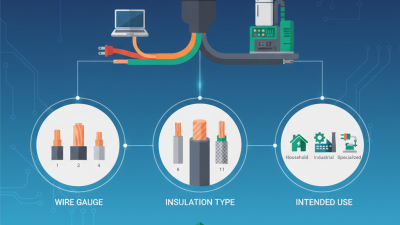
Choosing the right cable wire for your project affects safety, performance, durability, and cost. A wire that looks thick enough may still overheat under continuous load. The correct choice begins with the equipment’s voltage, current, operating time, and installation distance. Cable wire cable wire is not a useful specification by itself. You need the conductor size, insulation type, temperature rating, and approved construction details.
Small details matter. A cable running through a warm ceiling space needs different protection from one installed outdoors. Moisture, sunlight, chemicals, vibration, and repeated bending can shorten its service life. Longer runs may also require a larger conductor to limit voltage drop. Read the manufacturer’s datasheet, check the marked ratings, and compare them with applicable electrical standards. A qualified electrician or engineer should verify designs involving high current, fixed wiring, or public installations.
Avoid guesswork.
In practical projects, people often select cable by appearance or price. That shortcut can fail when a motor starts, a heater runs continuously, or terminals become loose. This guide examines conductor materials, gauge selection, insulation, shielding, flexibility, and environmental ratings. It also highlights common mistakes, including confusing ampacity with voltage rating. No guide replaces a site assessment. Conditions change, and imperfect assumptions deserve another check before purchase or installation. Reliable cable selection is a careful process, supported by measurements, certified products, and clear installation records.
Define the Project’s Electrical and Environmental Requirements
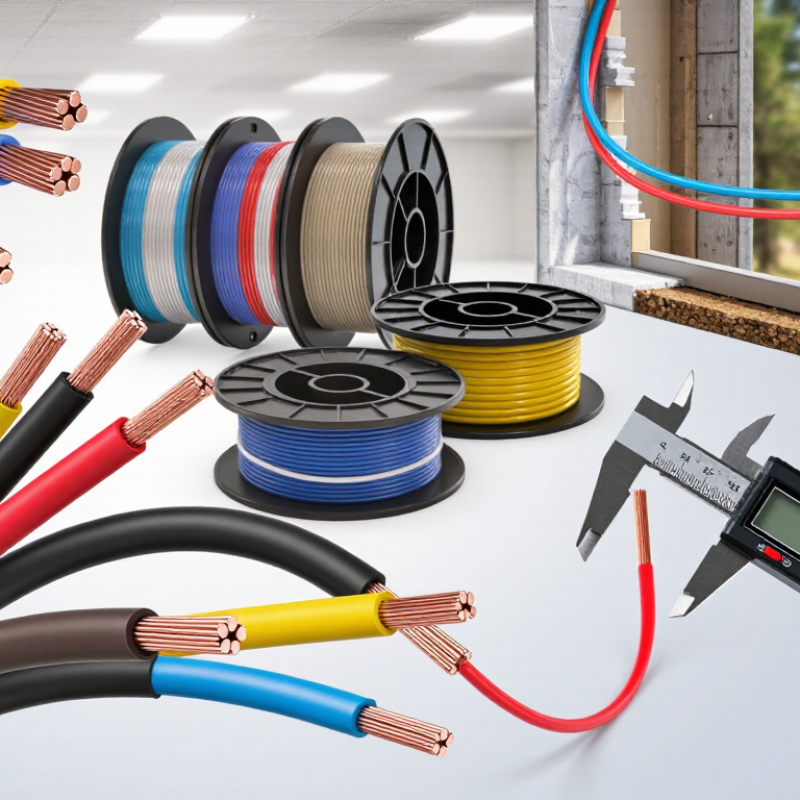
Choosing a cable begins with the project’s actual electrical demand. List voltage, phase, continuous load, starting current, circuit length, and allowable voltage drop. The U.S. Department of Energy reports that motor-driven systems can use more than 70% of industrial electricity. That figure matters because motors often draw higher current during startup. A cable sized only for normal running may overheat during repeated starts.
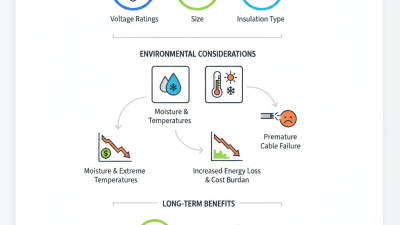
Use conductor resistance, installation method, ambient temperature, and grouping conditions together. IEC 60364-5-52 requires designers to consider current-carrying capacity, voltage drop, and external influences. IEC 60228 also classifies conductor construction and resistance. For example, a cable in a hot tray cannot be judged like one buried in cool soil. Moisture, oil, sunlight, vibration, chemicals, and crushing risks can change the specification. The wrong jacket may crack early. This is where practical site experience helps, but experience alone can miss hidden heat.
Tips: Record the highest expected load, not the average. Check the route temperature at its worst season. Allow space for future circuits, but do not oversize blindly. Larger conductors reduce voltage drop, yet they increase cost and installation difficulty. Review calculations with a qualified electrician or engineer. A datasheet can still mislead when site conditions are incomplete. Recheck assumptions before ordering.
Compare Cable Types, Materials, and Construction Features
Choosing cable wire starts with the load, distance, and installation environment. Copper offers high conductivity and easier termination. Aluminum weighs less and can reduce material use, but it needs careful connection design. The International Energy Agency’s Global Critical Minerals Outlook 2024 projects total copper demand to rise from about 26 million tonnes in 2023 to 31 million tonnes by 2035. That pressure makes material efficiency worth considering.
Insulation changes performance. PVC suits many general installations, while XLPE tolerates higher temperatures and supports demanding power applications. IEC 60228 classifies conductors by construction, including solid and stranded forms.
Solid wire works well in fixed, simple routes. Stranded wire bends more easily around panels and machinery. A neat-looking cable can be wrong.
Check the construction details, not only the conductor size. Outdoor runs may need UV-resistant jackets. Wet areas require suitable water resistance. Shielding can reduce electromagnetic interference near control equipment. Armor adds mechanical protection where impact is possible. NFPA 70, 2023 edition, requires conductors and installations to match conditions such as temperature, moisture, and physical damage. I still recheck voltage drop and termination space after choosing the cable. That step is easy to overlook.
Select the Correct Wire Size, Voltage Rating, and Current Capacity
Choosing cable wire starts with current capacity, not appearance. Estimate the equipment’s running current, then include startup demand for motors, pumps, and compressors. A 20% safety margin is a useful design check, but it is not a substitute for code requirements. Under NFPA 70, the 2023 National Electrical Code, 12 AWG copper is commonly rated at 20 amperes under 60°C conditions. That rating can change with insulation temperature, bundled cables, ambient heat, and installation method.
Voltage rating matters just as much. A wire rated below the circuit voltage can overheat or suffer insulation failure. IEC 60227 and IEC 60502 classify cable voltage performance for different applications, so check the marking against the system’s nominal and possible fault voltage. Also calculate voltage drop. For a long 12-volt run, even a small resistance can dim lights or damage sensitive equipment. A neat calculation can still be wrong when the cable route is longer than the drawing suggests.
Tips: Measure the real cable length, including bends and service loops. Compare the expected current with the manufacturer’s continuous rating. Check conductor size in mm² or AWG, insulation temperature, and local electrical rules. Do not rely on color alone. An experienced installer verifies torque, terminal fit, and heat at the connection after testing. I have found that weak terminals often create more trouble than an undersized cable. That is an uncomfortable detail, but it deserves attention.
How to Choose the Right Cable Wire for Your Project? - Select the Correct Wire Size, Voltage Rating, and Current Capacity
| Conductor Size (AWG) |
Approx. Cross-Section (mm²) |
Copper Resistance at 20°C (Ω/1,000 ft) |
Typical Ampacity* |
Recommended Continuous Load** |
Typical Applications |
| 14 AWG |
2.08 mm² |
8.286 |
15 A |
12 A |
Lighting circuits and light-duty receptacles |
| 12 AWG |
3.31 mm² |
5.211 |
20 A |
16 A |
General-purpose receptacles and medium-duty equipment |
| 10 AWG |
5.26 mm² |
3.277 |
30 A |
24 A |
Dedicated appliance circuits and small motors |
| 8 AWG |
8.37 mm² |
2.061 |
50 A |
40 A |
High-power appliances and subpanels |
| 6 AWG |
13.30 mm² |
1.296 |
65 A |
52 A |
Large appliances, feeders, and equipment circuits |
| 4 AWG |
21.15 mm² |
0.815 |
85 A |
68 A |
Large feeders and high-current equipment |
| 2 AWG |
33.62 mm² |
0.513 |
115 A |
92 A |
Service feeders and industrial distribution |
| 1/0 AWG |
53.48 mm² |
0.323 |
150 A |
120 A |
Large service entrances and industrial feeders |
| Selection Factor |
What to Check |
Practical Guidance |
| Current Capacity |
Load current, conductor material, insulation temperature, ambient temperature, and number of current-carrying conductors |
Choose a conductor with an allowable ampacity equal to or greater than the calculated load after all required derating factors are applied. |
| Voltage Rating |
Insulation rating and system voltage |
The cable voltage rating must meet or exceed the circuit voltage. Common insulation ratings include 300 V and 600 V, depending on the cable construction and applicable code. |
| Voltage Drop |
One-way cable length, load current, conductor resistance, and allowable voltage drop |
For long cable runs, select a larger conductor when necessary to limit voltage drop. A common design target is approximately 3% for a branch circuit and 5% for the total feeder-and-branch path. |
| Installation Environment |
Wet or dry location, direct burial, conduit, tray, sunlight, chemicals, vibration, and mechanical protection |
Use insulation and cable construction specifically approved for the installation environment. |
| Conductor Material |
Copper or aluminum, terminal compatibility, and connection method |
Follow the equipment terminal requirements and use connectors listed for the selected conductor material. |
| Protection and Compliance |
Overcurrent protection, local electrical code, and installation method |
Match the protective device and cable installation to the governing electrical code. Final sizing should be verified by a qualified electrical professional. |
* Ampacity values shown are representative copper-conductor values under common reference conditions; actual allowable ampacity depends on the applicable electrical code, insulation rating, installation method, ambient temperature, and conductor bundling.
** The continuous-load column uses 80% of the listed ampacity as a planning reference. It is not a substitute for a complete code-based electrical design.
Check Safety Standards, Installation Conditions, and Compatibility
How to Choose the Right Cable Wire for Your Project?
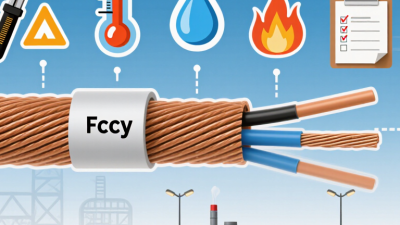
Choosing cable wire begins with safety standards, not appearance. Check the electrical code used in your location and follow recognized testing requirements. The cable should have clear markings for voltage, temperature, conductor size, and permitted installation. Certification details matter. If the label is damaged or unclear, replace the cable instead of guessing.
Installation conditions can change the correct choice. A cable for dry indoor spaces may fail in wet areas, direct sunlight, underground routes, or high-temperature locations. Check whether the insulation resists moisture, ultraviolet exposure, chemicals, and heat. Measure the route carefully, including bends and conduit space. Longer runs may require a larger conductor to control voltage drop. Small details matter.
Compatibility is equally important. Match the cable’s conductor material and size with the terminals, connectors, breaker, and equipment. Loose terminals can create heat, even when the cable rating looks correct. Do not force a thick cable into a small connector. I have learned that a neat installation can still be unsafe when the parts do not match. A visual check is not enough. Review the manufacturer’s technical data and have a qualified electrician verify the design, especially for high-load or outdoor work.
Evaluate Durability, Cost, Maintenance, and Future Expansion
How to Choose the Right Cable Wire for Your Project?
Durability should match the installation environment, not just the purchase price. Check conductor material, insulation temperature rating, moisture resistance, UV exposure, and mechanical protection. In practical inspections, damaged insulation often appears near bends, terminals, and outdoor entry points. Choose a cable with a suitable current rating and enough thermal margin. Undersized conductors can increase heating and energy loss. The U.S. Energy Information Administration reports that transmission and distribution losses remain near 5% in recent years. Small design mistakes can become permanent operating costs.
Cost includes installation, testing, repairs, and replacement access. A cheaper cable may need larger conduits, more frequent inspections, or earlier replacement. Compare the full life-cycle cost rather than the invoice alone. Maintenance access matters in crowded trays and buried routes. Label circuits clearly and leave safe working space around critical connections. That assumption fails. Real sites are rarely as clean as drawings suggest.
Future expansion deserves early planning. Install spare conduit capacity, accessible junction points, and conductors that support realistic load growth. Avoid excessive oversizing, because it can increase material costs and complicate termination. The International Energy Agency’s Electricity Grids and Secure Energy Transitions report estimates that annual grid investment must exceed 600 billion dollars by 2030. That figure signals sustained infrastructure growth. Still, predictions can be wrong. Review load forecasts every few years, document unused capacity, and confirm compatibility before adding circuits. A flexible design may cost more today, but it can reduce shutdowns later.
How to Choose the Right Cable Wire for Your Project?
Evaluate durability, cost, maintenance, and future expansion using typical planning benchmarks for low-voltage power cable installations.
Scores are normalized from representative engineering values: expected service life, installed cost, maintenance events over 10 years, and spare-capacity potential. Higher scores indicate a more favorable result. Actual performance depends on voltage, environment, installation method, load profile, and local labor costs.