
-
- Products
- Indoor Household Cords
- Appliance Cords
- General Purpose Short-Length Cords
- General Purpose Extension Cords
- Landscape & Decorating Cords
- Bright Color Extension Cords
- Oil-Resistant Extension Cords
- Cold-Flex Extension Cords
- VividFlex Power Cords
- EXTREME All-Weather Cords
- Cord Management
- Task Lights
- Adapters & GFCI Devices
- Where to Buy
- About
- Careers
- Glossary
- Catalog


China Top GFCI Power Cord Supplier for Global Buyers?
Choosing a China supplier for a gfci power cord requires more than comparing catalog prices. Global buyers need verified protection, stable production, and evidence that survives technical review. The Grand View Research Power Cords Market Analysis identifies safety compliance, product standardization, and infrastructure investment as important market drivers. Its findings reflect a practical reality: buyers increasingly demand documented performance, not attractive photographs.
OSHA guidance explains that ground-fault circuit interrupters can disconnect power rapidly during leakage conditions, reducing shock risks in hazardous environments. The U.S. Consumer Product Safety Commission also continues reporting serious electrical injuries involving household and workplace equipment. These findings make testing essential. A reliable supplier should show applicable UL 943, UL 817, IEC 60884-1, or market-specific certification records. Factory audit reports, batch traceability, conductor specifications, and water-resistance testing deserve equal attention.
People matter most.
Electrical safety educator Mike Holt states, “GFCI protection is designed to protect people, not equipment.” That principle should guide every sourcing decision. A dependable Chinese manufacturer should explain trip-current performance, reset behavior, enclosure protection, plug configurations, and inspection controls in clear technical language. Samples should be tested under realistic loads, including damp workshop floors and tightly coiled cables. Results can differ from laboratory expectations. That is uncomfortable, but important.
Price still matters. Pretending otherwise is unrealistic. Yet a low quotation becomes expensive when nuisance tripping, failed inspections, or inconsistent batches interrupt distribution. This guide examines how global buyers can evaluate China’s leading gfci power cord suppliers through standards, production experience, testing evidence, and after-sales accountability. The best supplier is not merely the cheapest. It is the one that can prove safety repeatedly.
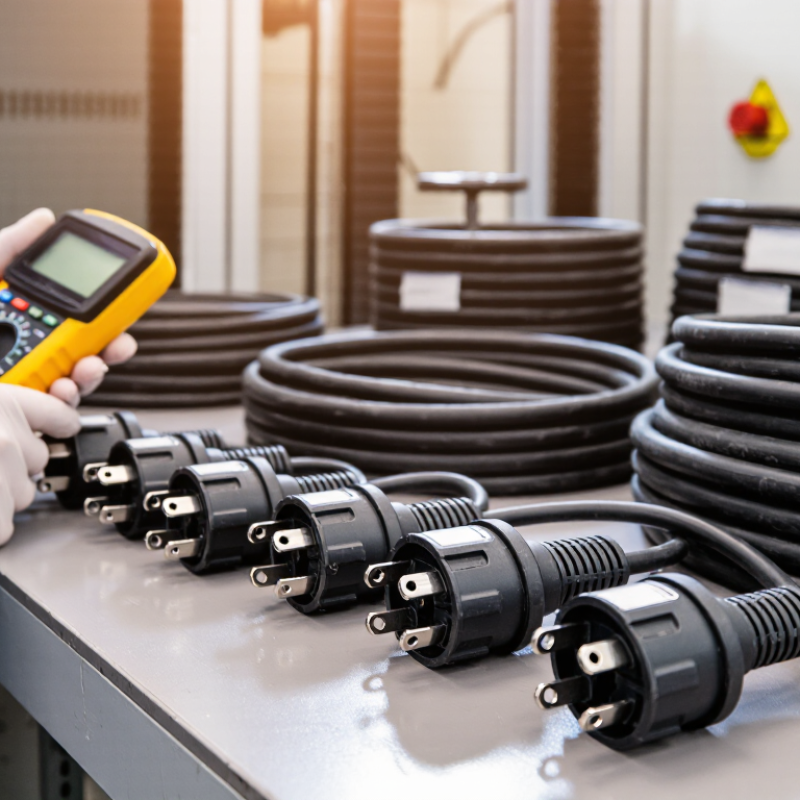
Table of Contents
[Hide]
What Is a GFCI Power Cord and How Does It Work?
China Top GFCI Power Cord Supplier for Global Buyers?
What Is a GFCI Power Cord and How Does It Work?
A GFCI power cord combines a flexible cable, plug, and ground-fault protection device. It monitors current leaving through the energized conductor and returning through the neutral conductor. Under normal operation, these currents match. A small mismatch may indicate leakage through a person, wet surface, or damaged insulation. The device then opens the circuit quickly, reducing shock exposure.
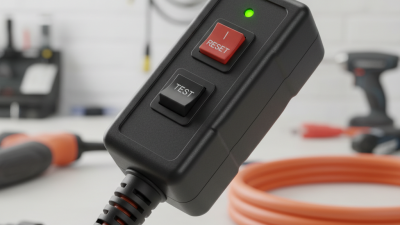
Most portable GFCI cords include Test and Reset buttons. Pressing Test should interrupt power. Pressing Reset should restore it only when supply conditions are acceptable. The exact trip level, response time, plug design, and environmental rating depend on the applicable market standard. Global buyers should verify voltage, frequency, connector type, cable size, enclosure rating, and certification documents before ordering. A cord made for a dry workshop may not suit outdoor construction work.
Details matter.
During practical inspections, technicians look for cracked jackets, loose strain relief, stiff buttons, and heat marks near the plug. A GFCI is not a substitute for correct grounding or routine maintenance. It cannot repair damaged equipment. Some users press Reset repeatedly without finding the leakage source. That habit deserves reconsideration. A dependable supplier should provide traceable test records, clear instructions, sample verification, and consistent production controls. Buyers should test the cord before use and after relocation, especially around moisture. Safety performance is not proven by appearance alone.
Related Posts
-

Best GFCI Power Cord Options for Safe Electrical Use?
-
What is a GFCI Cord and How Does it Work?
-
How to Choose the Right GFCI Power Cord for Your Needs?
-
Top 10 GFCI Cord Suppliers for Global Buyers
-

Transform Your Home Aesthetic with the Ultimate Guide to Pretty Extension Cords
-

Best Colored Extension Cords to Buy at the 139th Canton Fair?