
-
- Products
- Indoor Household Cords
- Appliance Cords
- General Purpose Short-Length Cords
- General Purpose Extension Cords
- Landscape & Decorating Cords
- Bright Color Extension Cords
- Oil-Resistant Extension Cords
- Cold-Flex Extension Cords
- VividFlex Power Cords
- EXTREME All-Weather Cords
- Cord Management
- Task Lights
- Adapters & GFCI Devices
- Where to Buy
- About
- Careers
- Glossary
- Catalog


10 Best Lamination Machines for Business Buyers?
Choosing the right Lamination Machine can influence production speed, document quality, and daily operating costs. For business buyers, the decision involves more than comparing prices or glossy product photographs. A busy print shop may need continuous output, while a school office may value simple controls and quiet operation. A packaging team may focus on wider film compatibility and consistent heat distribution.
This guide examines ten practical options for different business environments. Each model is considered through useful purchasing factors, including laminating width, pouch thickness, warm-up time, roller performance, jam prevention, and warranty support. Real workplace details matter. A machine that handles a menu sheet smoothly may struggle with thicker identification cards. A fast unit may also produce unnecessary noise during long shifts.
Specifications help, but they do not tell the whole story. User experience, maintenance needs, and supplier responsiveness can change the value of a purchase. We also consider how easily operators can load film, reverse a misfeed, and keep rollers clean. Small controls matter.
No machine is perfect. Some models trade speed for affordability, while others require more space and training. That trade-off is easy to overlook. The rankings therefore aim to provide balanced guidance rather than a single universal winner. Buyers should still confirm current specifications, service terms, electrical requirements, and local availability before ordering. Careful comparison can prevent an expensive mismatch and support reliable results over many working days.
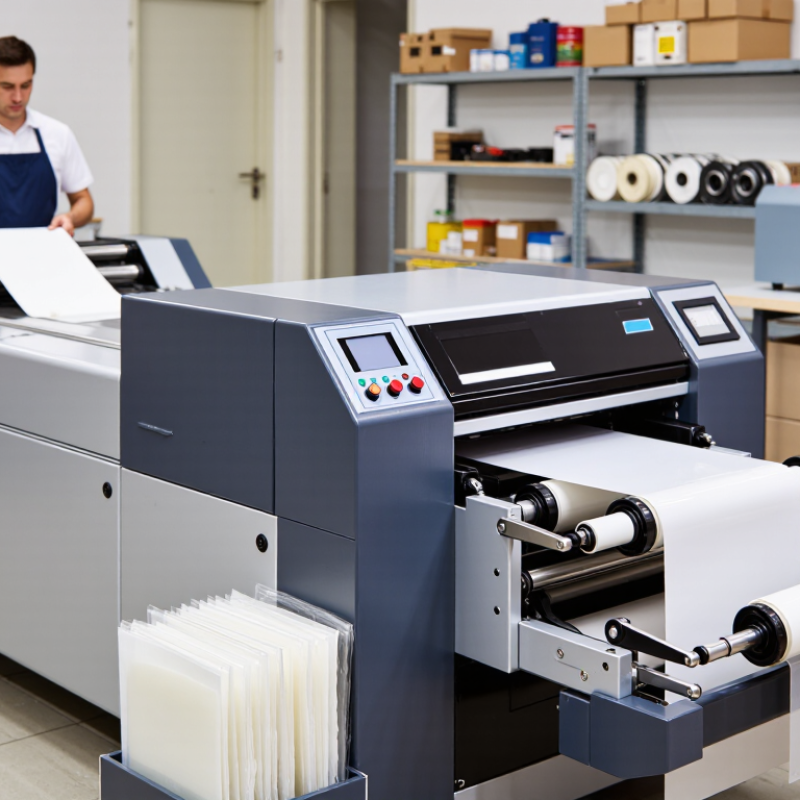
Table of Contents [Hide]
Lamination Machine Types for Different Business Needs
10 Best Lamination Machines for Business Buyers?
Lamination machine types should match the work, not merely the budget. Pouch laminators suit offices, schools, and small print counters handling menus, badges, and certificates. They use pre-sealed film pouches and require little setup. A compact unit can sit beside a standard printer. However, pouch costs may become significant during high-volume production.
Roll laminators serve print shops, sign makers, and copy centers with continuous workloads. They process longer documents and reduce manual feeding. Hot roll models create durable bonds through controlled heat and pressure. Cold roll machines use pressure-sensitive film, making them useful for heat-sensitive photographs, vinyl, and certain inkjet prints. Film loading takes practice. Small alignment errors can waste a full roll.
Wide-format laminators support posters, window graphics, banners, and mounting boards. Choose one with adjustable rollers, stable temperature control, and enough working width for regular jobs. Industrial models add stronger motors, automatic feeding, and longer duty cycles for production departments. A business buyer should compare maximum film thickness, warm-up time, roller diameter, noise, and replacement-part access. A machine may look powerful but struggle with uneven media. That detail is easy to miss. Test it using your actual paper, film, and busiest daily workload. Record jam frequency and finish quality over several sessions, because one successful sample proves very little.
10 Best Lamination Machines for Business Buyers? - Lamination Machine Types for Different Business Needs
| Rank | Lamination Machine Type | Typical Working Width | Compatible Film or Pouch Thickness | Typical Speed Range | Heating Method | Best For | Main Advantages | Important Buying Considerations |
|---|---|---|---|---|---|---|---|---|
| 1 | Desktop A4 Pouch Laminator | Up to 240 mm | 80–250 microns per side | 250–500 mm/min | Heated rollers | Small offices and home businesses | Compact footprint, simple operation, low purchase cost, and suitable for menus, notices, certificates, and small signs. | Limited document size and lower throughput; check warm-up time and whether carrier-free operation is supported. |
| 2 | Desktop A3 Pouch Laminator | Up to 330 mm | 80–350 microns per side | 300–700 mm/min | Heated rollers | Schools, print rooms, and retail offices | Handles A3 sheets and smaller formats, offers adjustable temperature settings, and provides better flexibility than A4 machines. | Allow adequate ventilation and workspace; thicker pouches generally require slower speed and higher temperature. |
| 3 | Heavy-Duty A3/A2 Pouch Laminator | Up to 450 mm | 125–500 microns per side | 400–1,000 mm/min | Multi-roller thermal system | Copy shops and frequent document production | More durable construction, stronger temperature control, and better performance for repeated daily workloads. | Requires a stable work surface and dedicated electrical capacity; operating cost is higher than entry-level units. |
| 4 | Thermal Roll Laminator | 330–1,650 mm | 25–250 microns per side | 1–5 m/min | Heated rollers | Commercial print and sign production | Uses continuous film rolls, reduces pouch waste, supports long documents, and provides higher production capacity. | Operators need roll-loading and tension-control skills; film selection must match the machine temperature range. |
| 5 | Cold Roll Laminator | 650–1,600 mm | Pressure-sensitive films, commonly 60–250 microns | 1–5 m/min | No heat; pressure-sensitive adhesive | Heat-sensitive graphics and outdoor signage | Protects inkjet prints and heat-sensitive media without thermal distortion or heat exposure. | Requires clean, dust-free media and careful alignment; adhesive films can be more expensive than standard thermal films. |
| 6 | Wide-Format Thermal Laminator | 1,300–1,650 mm | 25–250 microns per side | 2–10 m/min | Heated rollers with adjustable pressure | Large graphics, posters, and floor graphics | Supports wide media, offers consistent pressure across the roll, and is suitable for protecting printed graphics. | Needs substantial floor space and media-handling clearance; alignment and film tracking are critical for wide jobs. |
| 7 | Photo and Fine-Art Laminator | 330–1,600 mm | 25–125 microns per side | 0.5–3 m/min | Low-temperature thermal or cold pressure | Photography, galleries, and premium presentation work | Designed for controlled pressure and smooth finishes, helping reduce silvering, bubbles, and surface damage on delicate prints. | Choose a machine with accurate temperature control, adjustable roller pressure, and a finish compatible with the intended display conditions. |
| 8 | ID Card and Small-Format Laminator | Up to 120 mm or card-feed format | 100–500 microns per side | 250–600 mm/min | Heated rollers or heated platen | Membership cards, badges, and access cards | Compact design, consistent card finishing, and easy handling of small-format documents. | Verify card thickness, pouch dimensions, temperature settings, and whether the feed path supports rigid materials. |
| 9 | Educational and Library Roll Laminator | 650–1,050 mm | 25–250 microns per side | 1–4 m/min | Heated or cold rollers | Schools, libraries, and training centers | Balances moderate throughput with easy operation for maps, classroom posters, worksheets, and frequently handled materials. | Look for guarded rollers, accessible emergency controls, simple temperature adjustment, and low-noise operation. |
| 10 | Industrial Continuous Laminating Line | 1,000–2,000 mm or wider | Approximately 25–500 microns per side | 5–30 m/min | Multi-zone thermal, hot-melt, or pressure-based system | High-volume manufacturing and contract production | High throughput, automated web handling, precise tension control, and integration with upstream or downstream equipment. | Requires substantial investment, trained operators, preventive maintenance, appropriate ventilation, and sufficient production-floor space. |
Note: Specifications shown are typical market ranges for each machine category. Actual working width, speed, film thickness, warm-up time, power requirements, and supported materials vary by configuration and manufacturer.