
-
- Products
- Indoor Household Cords
- Appliance Cords
- General Purpose Short-Length Cords
- General Purpose Extension Cords
- Landscape & Decorating Cords
- Bright Color Extension Cords
- Oil-Resistant Extension Cords
- Cold-Flex Extension Cords
- VividFlex Power Cords
- EXTREME All-Weather Cords
- Cord Management
- Task Lights
- Adapters & GFCI Devices
- Where to Buy
- About
- Careers
- Glossary
- Catalog


10 Best Extension Cord Wire Options for Safe and Reliable Power Supply?
Finding the right extension cord wire is crucial for both safety and convenience. The choices can feel overwhelming. With numerous options available, navigating through them requires knowledge and care.
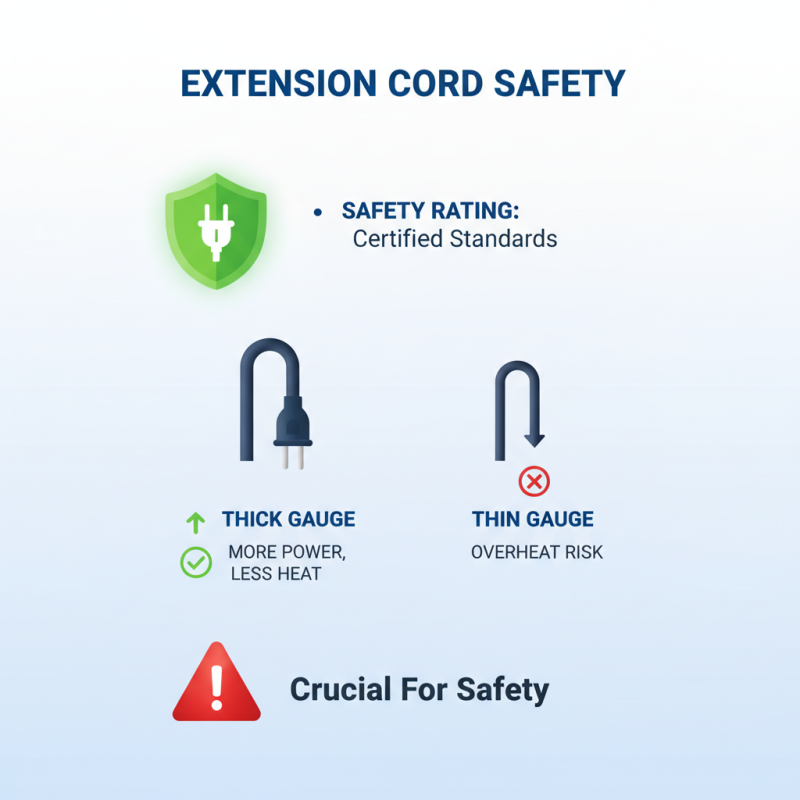
The best extension cords should provide reliable power supply without compromising safety. Factors such as wire gauge, rated wattage, and length play significant roles in selection. Using cords that are too long or too thin can lead to overheating and power loss.
In our journey to discover the top extension cord wire options, we must reflect on our needs and usage contexts. Each scenario may require a different type of extension cord. Think about where you will use it most. Are there specific appliances or tools that require dependable power? Understanding these aspects helps in making an informed choice.
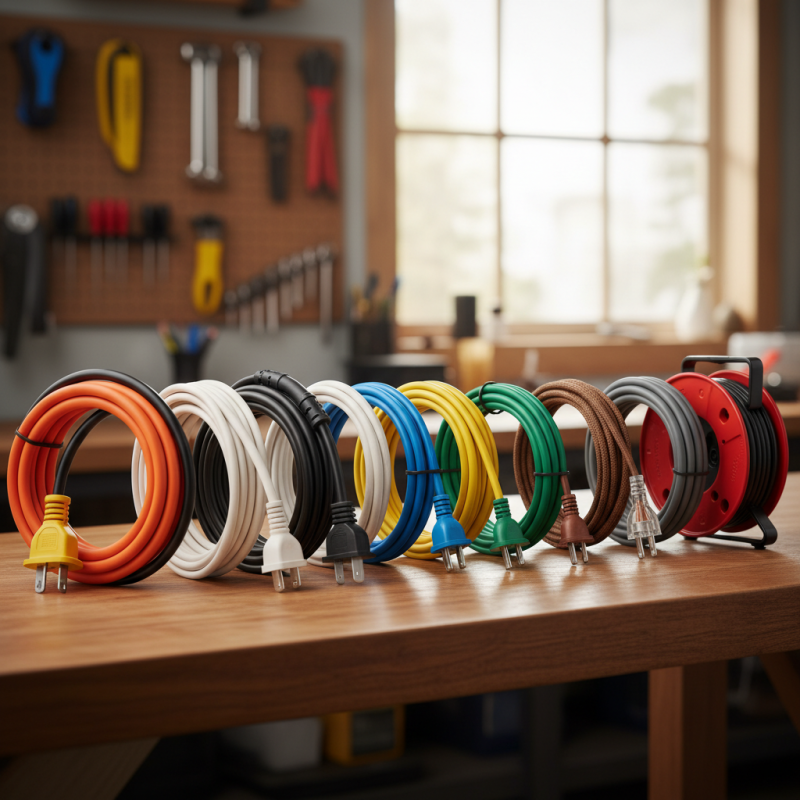
Table of Contents
[Hide]
Types of Extension Cords and Their Appropriate Uses
When choosing an extension cord, understanding different types is crucial.
There are light-duty, medium-duty, and heavy-duty options.
Light-duty cords are ideal for indoor use, such as lamps and small appliances.
They’re usually rated for up to 13 amps. However, many consumers overlook their limitations.
Overloading light-duty cords can lead to overheating and potential fire hazards.
Medium-duty cords are more versatile. These are suitable for yard work or power tools, rated for up to 15 amps.
Yet, proper usage remains essential.
A survey by the National Fire Protection Association reported that electrical failures caused around 47,000 home fires between 2014 and 2018.
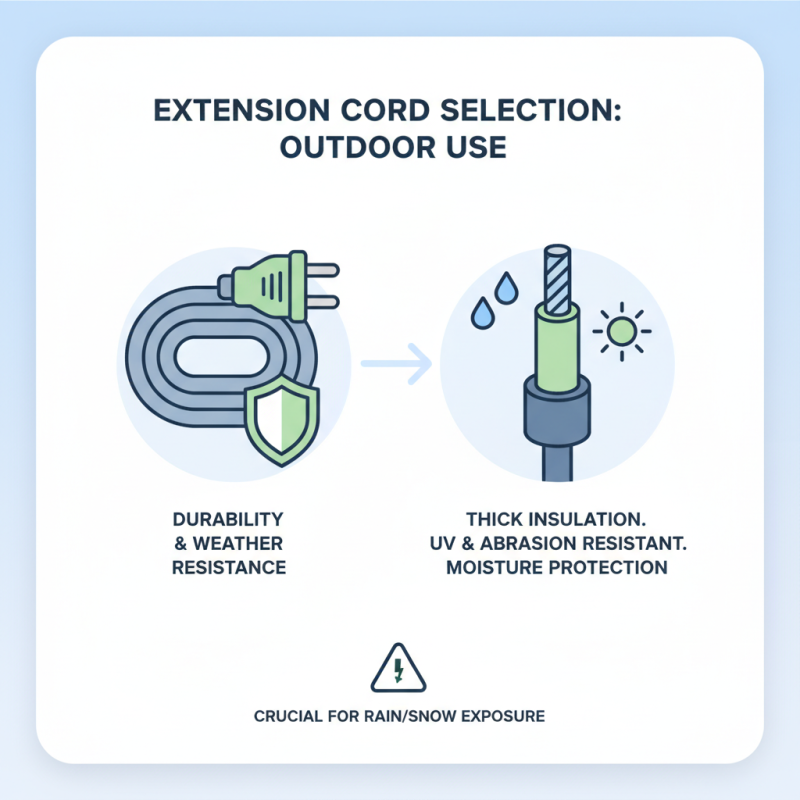
Many of these incidents involved improper use of extension cords. Users often extend cords in wet conditions or exceed their amp rating.
Heavy-duty cords are designed for the toughest jobs. They handle larger equipment like power washers and generators.
These cords typically have a rating of 20 amps. However, they come with their own issues.
Over time, heavy-duty cords can wear down, leading to exposed wires. This can create risks of shocks and fires.
Regular inspection for signs of damage is critical for safety.
Related Posts
-
Top Extension Cord Wire Types and Their Best Uses?
-
10 Essential Tips for Choosing the Right Power Cord Extension Cable for Your Needs
-
Top 10 Extension Cables: Your Ultimate Guide to Choosing the Best
-

What is the Best Cool Extension Cords for Your Home and Office Needs
-
How to Choose the Right Short Extension Cord for Your Needs
-
What is the Purpose of Colored Extension Cords?