
-
- Products
- Indoor Household Cords
- Appliance Cords
- General Purpose Short-Length Cords
- General Purpose Extension Cords
- Landscape & Decorating Cords
- Bright Color Extension Cords
- Oil-Resistant Extension Cords
- Cold-Flex Extension Cords
- VividFlex Power Cords
- EXTREME All-Weather Cords
- Cord Management
- Task Lights
- Adapters & GFCI Devices
- Where to Buy
- About
- Careers
- Glossary
- Catalog


What Are the Best China Power Cord Adapters for Global Buyers?
Choosing the best China power cord adapters requires more than comparing prices on a supplier platform. A plug may fit a wall socket, yet the adapter can still fail under the wrong voltage, frequency, load, or grounding conditions. Small plug. Large consequences. The International Energy Agency’s World Energy Outlook 2024 highlights continuing differences in electricity access and infrastructure quality across regions. These differences make electrical compatibility a practical purchasing issue, not a cosmetic detail.
Global buyers should examine destination-specific plug types, rated voltage, current capacity, conductor size, insulation quality, and strain relief. IEC 60884-1 provides an important reference for household plugs and socket outlets, while national requirements may add testing, marking, or certification obligations. UL Solutions, TÜV Rheinland, and Intertek also emphasize traceability, product testing, and manufacturing controls in electrical supply chains. A credible Chinese manufacturer should provide clear specifications, batch records, factory details, and current test reports. Photos alone are not evidence.
Logistics adds another layer. The UNCTAD Review of Maritime Transport 2024 describes continuing pressure on global shipping networks, which can affect delivery schedules and inventory planning. Grand View Research’s reports on travel and electrical accessories also indicate steady demand linked to international mobility and cross-border commerce. Still, market growth does not guarantee product quality. That assumption deserves challenge. Buyers should request samples, inspect markings, verify plug dimensions, and test adapters with realistic loads before ordering at scale. The best power cord adapters are therefore not simply the cheapest products from China. They are documented, tested, correctly rated, and suitable for the exact country, appliance, and operating environment. Reliability begins with uncomfortable questions.
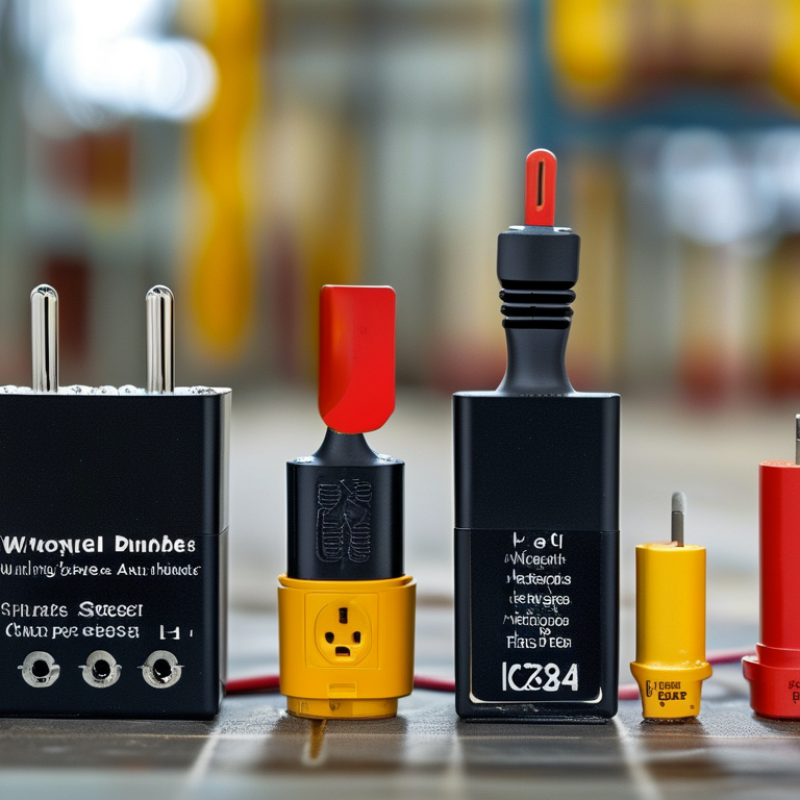
Table of Contents
[Hide]
What Are China Power Cord Adapters and How Do They Work?
What Are the Best China Power Cord Adapters for Global Buyers?
What Are China Power Cord Adapters and How Do They Work?
China power cord adapters connect Chinese electrical plugs with sockets used in other countries. They mainly change the plug shape, not the electrical voltage. Mainland China commonly uses 220V and 50Hz power. Many destination markets use different voltages, socket designs, or grounding systems. Therefore, an adapter alone may not protect sensitive equipment. A voltage converter may be necessary.
A typical adapter contains conductive metal contacts, an insulated housing, and sometimes a grounding connection. When inserted correctly, its contacts link the appliance plug with the wall socket. IEC 60884-1 provides widely used requirements for household plugs and socket outlets. Buyers should still verify destination standards and testing documents. The International Energy Agency’s Electricity 2024 report expects global electricity demand to grow by about 3.3% annually through 2026. That growth increases demand for reliable connection accessories, but quality differences remain significant.
In practical sourcing, check the rated voltage, current, plug type, grounding method, and heat resistance. A compact adapter can feel solid while hiding weak contacts. That is an easy mistake. UN Comtrade trade data also places China among the leading exporters of electrical connection products, but export volume does not prove safety or durability. Request sample testing, inspect terminal tightness, and compare markings with independent laboratory reports. The best choice is not always the cheapest unit. It is the adapter that matches the appliance, socket, and operating environment precisely.
Related Posts
-
Top 10 Power Cord Adapters You Need for All Your Devices
-
10 Best Extension Cord Wire Options for Safe and Reliable Power Supply?
-
How to Organize and Manage Electronic Cords for a Clutter Free Space
-
2026 Best Wire Cable Solutions for Global Buyers?
-
Top 10 Power Cord Extension Cables for Global Buyers?
-
Best Colored Extension Cords to Buy at the 139th Canton Fair?