
-
- Products
- Indoor Household Cords
- Appliance Cords
- General Purpose Short-Length Cords
- General Purpose Extension Cords
- Landscape & Decorating Cords
- Bright Color Extension Cords
- Oil-Resistant Extension Cords
- Cold-Flex Extension Cords
- VividFlex Power Cords
- EXTREME All-Weather Cords
- Cord Management
- Task Lights
- Adapters & GFCI Devices
- Where to Buy
- About
- Careers
- Glossary
- Catalog


What Type of Aluminum Is Best for Precision Parts?
Choosing aluminum for precision parts is not a grade-number exercise. The right alloy depends on the part’s geometry, tolerances, operating environment, and finishing requirements. A small sensor housing may need stable machining and a clean anodized surface. A structural bracket may instead need greater strength and fatigue resistance. These differences matter.
Aluminum Precision Parts are commonly made from alloys such as 6061, 7075, and 5052. Each offers a different balance of machinability, strength, corrosion resistance, and formability. For many machined components, 6061 is a practical starting point because it is widely available and relatively easy to work with. For higher strength, 7075 may be considered, though it can cost more and may offer less corrosion resistance without suitable protection. Sheet-metal designs often favor 5052 for its formability and resistance to marine environments. No alloy wins every time.
The best choice also depends on manufacturing details. Thin walls, deep pockets, tight tolerances, and heat treatment can affect cost and dimensional stability. A drawing that looks straightforward may behave differently after machining or finishing. That is worth checking early. Engineers should review material certificates, supplier capabilities, and the part’s actual service conditions before locking in a grade. Even then, trade-offs remain: choosing the strongest alloy can add expense without improving performance. This guide compares common aluminum grades and explains how to match their properties to precision-part requirements.
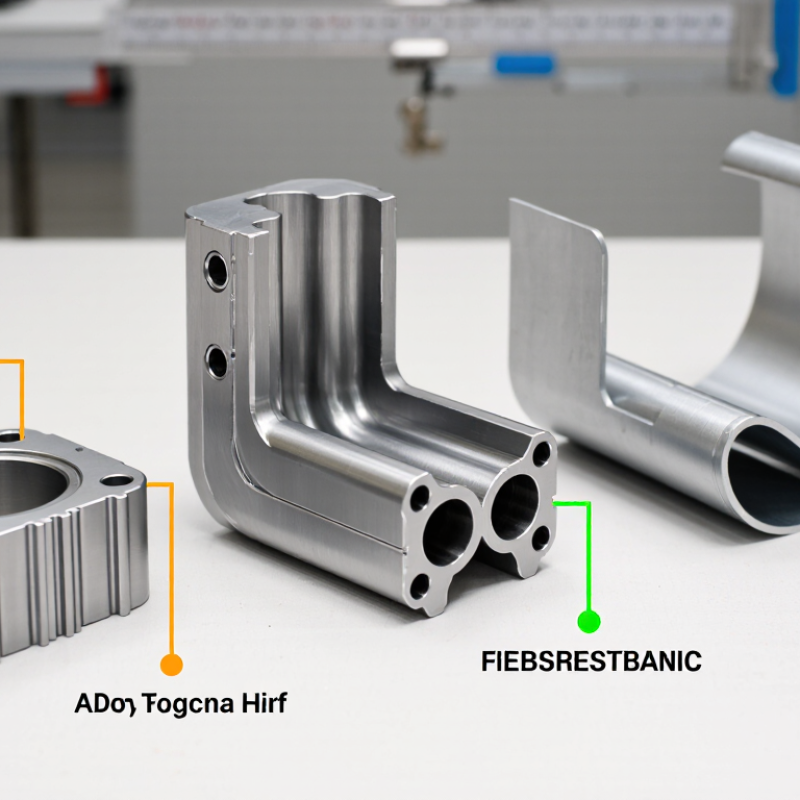
Table of Contents [Hide]
How Aluminum Alloy Composition Affects Precision Part Performance
What Type of Aluminum Is Best for Precision Parts?
How Aluminum Alloy Composition Affects Precision Part Performance
Choosing aluminum for a precision part means balancing strength, machinability, corrosion resistance, and dimensional stability. Alloy composition shapes that balance. For example, 6061 contains magnesium and silicon, making it versatile and relatively easy to machine. It suits brackets, housings, and components exposed to ordinary shop conditions. 7075, with zinc as a major alloying element, offers higher strength but can be less forgiving in corrosive environments. Stronger is not always better.
Temper matters, too. Heat treatment changes an alloy’s mechanical properties, while residual stress can contribute to movement during machining. A thin-walled 6061 plate may shift after material is removed, even when the drawing looks straightforward. In practice, stock condition, toolpath, part geometry, and finishing all affect the final result. Alloy data sheets help, but they cannot predict every shop-floor outcome. That uncertainty deserves attention.
Tips: Match the alloy to the part’s actual loads and environment. Ask the supplier to confirm the temper and material certification. For tight tolerances, discuss stress relief and machining sequence before production. Then inspect a first article. Small details matter. If corrosion resistance is critical, evaluate the planned finish alongside the base alloy; a familiar grade may not be the right choice for every application.