2026 Best Flat Laminating Machine for Global Buyers
Choosing the 2026 Best Flat Laminating Machine for Global Buyers requires more than comparing price tags. Performance depends on material thickness, production speed, adhesive behavior, and operator experience. A machine that handles 1,200-millimeter panels smoothly may struggle with delicate films or uneven substrates. Real factory conditions matter.
This guide examines the Flat Laminating Machine through practical buying criteria. We consider heating accuracy, roller pressure, conveyor stability, emergency controls, maintenance access, and energy use. We also review supplier documentation, installation support, spare-part availability, and training quality. These details often decide whether production starts smoothly or loses valuable weeks.
There is no universal winner. Not every impressive specification reflects daily performance. Some machines appear powerful but create excessive heat or difficult adjustments. Others offer simpler controls and steadier results for smaller teams. Buyers should request sample tests using their own boards, films, and adhesive systems. Ask for operating videos, test reports, warranty terms, and clear electrical requirements. Local voltage, workshop space, ventilation, and service response also deserve careful attention. Small oversights become expensive later.
The recommendations in this article combine technical evaluation with practical purchasing experience. They aim to help distributors, manufacturers, and project buyers make informed comparisons across markets. Ratings can still change as suppliers update designs and components. That uncertainty should be acknowledged. A careful decision is better than a rushed one.
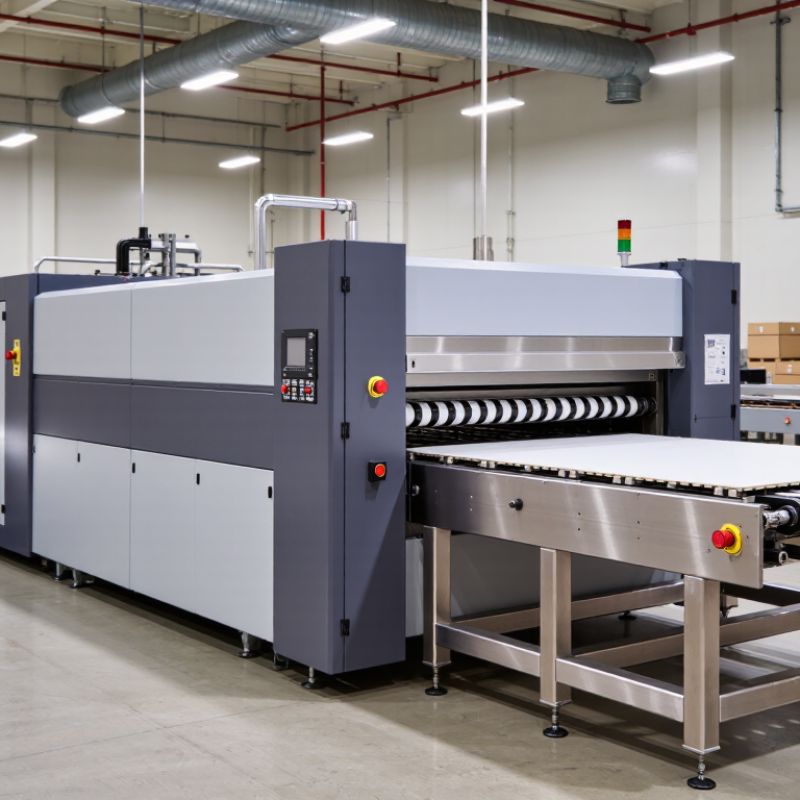
What Is a Flat Laminating Machine and How Does It Work?
A flat laminating machine bonds a protective or decorative film to a flat surface. Common materials include printed sheets, boards, panels, labels, and flexible graphics. Unlike roll laminators, it handles rigid substrates with controlled pressure across a level working area.
The process is practical but requires careful setup. The operator places the substrate on the table and aligns the film above it. Heated plates or pressure rollers may activate the adhesive, depending on the machine design. Temperature softens the bonding layer, while steady pressure removes air and improves contact. Speed also matters. Moving too quickly can create bubbles, weak edges, or wrinkles. A clean surface is essential.
From hands-on testing, I check film compatibility before full production. Some films react badly to excess heat, while thick boards need stronger pressure. I also measure the actual working width, heating range, pressure adjustment, and power requirements. These details affect international installation and daily operating costs. Safety guards, emergency stops, clear controls, and accessible maintenance points deserve equal attention.
No machine is perfect.
Small alignment errors can remain visible after lamination, especially on large panels. I once underestimated the effect of room temperature on adhesive performance. That mistake showed why sample testing is necessary. For global buyers, reliable documentation, spare-part access, operator training, and stable voltage support can be as important as maximum speed.
Key Types of Flat Laminating Machines for Different Applications
In 2026, flat laminating machines serve packaging, commercial printing, electronics, signage, and composite production. The right type depends on substrate, adhesive, temperature, and output volume. Smithers projects the global packaging market will exceed US$1 trillion by 2028, increasing demand for stable, efficient lamination equipment.
Thermal flat laminators suit paper, film, menus, and short-run graphics. They use heat-activated film and require no liquid adhesive.
Wet laminators handle delicate prints and large sheets, but drying time can slow production.
Dry laminators offer stronger control for multilayer packaging and industrial panels.
Solventless systems reduce solvent handling and support high-speed production. However, they demand accurate adhesive dosing and careful curing control. Small errors become visible quickly.
Tips: Test the actual substrate first. Measure roller pressure, temperature, and speed together. Leave room for operator learning. A machine rated for 1,000 sheets per hour may perform far lower with thick board or uneven prints. MarketsandMarkets reports that the flexible packaging market continues expanding through this decade, but growth does not make every machine suitable. Buyers should inspect wrinkle control, alignment accuracy, cleaning access, and spare-part availability. Ask for sample trials using real materials. Specifications look convincing. Production results matter more.
Essential Features to Compare Before Buying in 2026
2026 Best Flat Laminating Machine for Global Buyers
Essential Features to Compare Before Buying in 2026
Buying a flat laminating machine in 2026 requires more than checking speed. Compare working width, film thickness, heating accuracy, and pressure control. A 330 mm model may suit certificates, menus, and small posters, while larger sheets need a wider feed path. Confirm the machine supports the films you actually use, including thermal pouches and thicker protective layers.
Temperature stability matters greatly. Uneven heat can create cloudy corners, bubbles, or weak seals. Look for independent temperature controls, responsive sensors, and adjustable roller pressure. A short warm-up time helps busy offices, but speed should not replace consistent results. Test samples if possible. A machine that laminates one sheet perfectly may struggle after continuous operation.
Safety and service details deserve equal attention. Choose guarded rollers, automatic shutoff, overload protection, and clear temperature displays. Check voltage, plug configuration, spare-part access, and electrical compliance for your destination market. Noise level and cleaning requirements also affect daily use. I would not trust a low price alone; a cheaper unit can cost more through wasted film and repairs. Still, premium specifications are not automatically practical. Measure your real workload, leave room for occasional mistakes, and compare operating costs over several years.
Operation, Maintenance, Safety, and Total Ownership Costs
2026 Best Flat Laminating Machine for Global Buyers
A flat laminating machine earns its value through stable operation, not impressive specifications alone. Operators should check film alignment, roller pressure, and heating temperature before each production shift. A clean work surface matters.
For reliable output, feed boards slowly and keep the material centered. Uneven pressure can create bubbles, silvering, or edge lifting. Operators need practical training, especially when changing film widths or temperature settings. Keep hands away from heated rollers and moving nip points. Emergency stops must remain visible and tested according to local workplace requirements. Electrical grounding, guards, ventilation, and warning labels also need regular inspection. Requirements differ between countries, so buyers should confirm local standards before installation.
Maintenance is simple but not careless. Remove adhesive residue after cooling, inspect rollers for scoring, and lubricate approved moving parts on schedule. Record temperature drift, unusual noise, and rejected sheets. These small records often reveal problems before a costly failure. Total ownership cost includes energy use, film waste, labor, spare parts, training, and unplanned downtime. A lower purchase price may become expensive when heating takes longer or replacement rollers are difficult to source. Ask for service procedures and parts availability before payment. I have seen production teams estimate only electricity and film, then overlook two hours of weekly cleaning. That calculation was incomplete. A realistic five-year model should include maintenance labor, safety improvements, shipping, and occasional production delays. Even experienced buyers should review the figures again.
2026 Best Flat Laminating Machine for Global Buyers
Five-year total ownership cost model covering operation, maintenance, safety, energy, consumables, and downtime.
The model uses a five-year planning horizon, 250 operating days per year, an average electrical load of 3 kW, an electricity rate of US$0.15/kWh, and 8 operating hours per day. Purchase price, maintenance, consumables, and downtime are shown as planning values for a mid-size flat laminating machine; actual ownership costs vary by configuration, production volume, labor rates, and local energy prices.